Torah’s role in spiritual life has always been controversial, swinging between extremes; we’re either abusing it trying to earn right standing with God (Ro 10:3) or claiming it’s largely obsolete, fulfilled (abolished) by Christ.
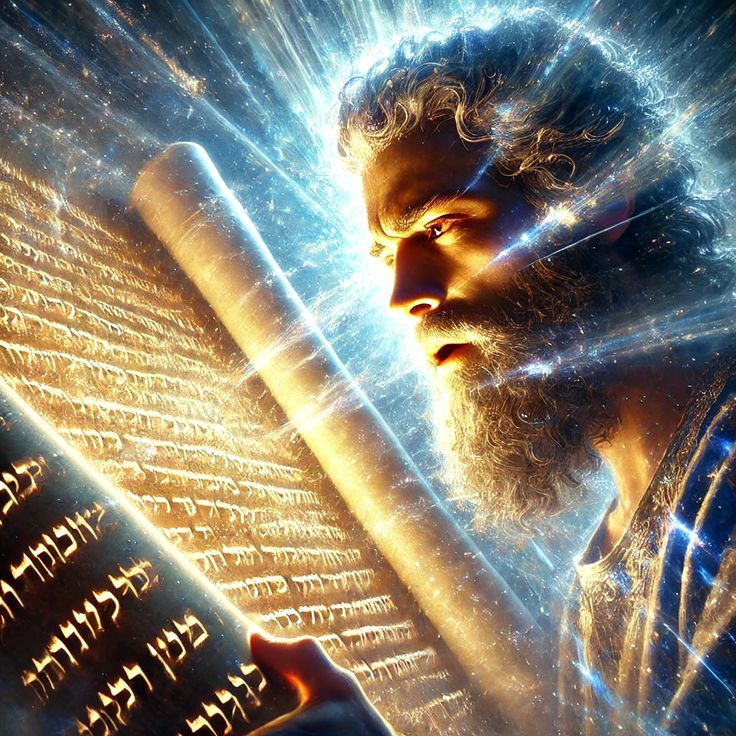 The reality is the entirety of Mosaic Law, “the ministration of death, written and engraven in stones”, is so glorious unregenerate souls cannot bear to look deeply and honestly into it (2Co 3:7a); the god of this world has blinded their minds (2Co 4:4) such that they cannot yet see Christ’s glory in Torah. (2Co 3:14a)
In other words, the beauty of Torah is hidden, or veiled, to those whose hearts have not yet turned to God. (15) Once we receive Christ, Who is the perfect embodiment of Torah, as He truly is the veil or blindness is healed and this covering over our heart is taken away (16), such that we can now enjoy Christ’s glory through Torah. (14b)
Torah by itself, though it is powerless to make anyone righteous (Ro 8:3), being the ministration of condemnation, is unfathomably glorious (2Co 3:9a); God’s righteous standard is spectacular, amazing, breathtakingly desirable (Ps 119:20), more precious than gold. (Ps 19:10)
Even so, the Gospel is even more glorious than Torah. (2Co 3:10) Torah was never intended as a means of salvation; rather, in showing us how God requires us to live, Torah exposes our sin and condemns our carnal mind, revealing our desperate need of redemption. (Ga 3:24) Though Torah will become obsolete (2Co 3:11) in the new Earth, until then (Mt 5:18) it gloriously reveals the nature and character of God so we may be transformed into His likeness. (Ps 119:35)
Redemption and salvation are discovered in God’s New Covenant as He writes Torah into our hearts (He 8:10), ministering true righteousness into us, which is even more glorious than Torah alone. (2Co 3:9b) Since our unregenerate mind is enmity against God, unwilling to submit to His Law (Ro 8:7), He must supernaturally give us new minds and hearts which delight in Torah (Ro 7:22); this is the miracle of the new birth, and it is by means of Torah (1Pe 1:23), through which God saves our souls. (Ja 1:21)
Thus, the glory of the Gospel itself enhances and extends the glory of Torah by creating the practical reality of it within us (Ep 2:10); the New Covenant enables us to keep Torah in spirit and in truth, to obey it from the heart such that the righteous requirements of the law are actually fulfilled in us as we walk after the Spirit. (Ro 8:4)
God works His righteousness into us over time as the Spirit transforms us into the image of Christ through Torah (Ps 19:7a), grafting Torah into us as we behold the glory of Christ’s character and essence embodied in Torah (Ps 119:18); Torah serves as the glass or mirror reflecting God’s nature into us by the Spirit. (2Co 3:18)
If Christ were preached as He truly is, honoring the entire Torah (Mt 22:37-40), offering to save us from our tendency to violate Torah (in other words, to sin – 1Jn 3:2), by supernaturally engrafting Torah into our hearts and minds (He 10:16), transforming us so we will love His laws and meditate on them all day long (Ps 119:97), even ranking us eternally based on how we honor it all (Mt 5:19), and threatening to trample underfoot all who will not submit to Torah (Ps 119:118), who would receive Him?
As it turns out, those who will not receive this Christ, who willfully persist in despising Torah and discounting it (He 10:26-27), are indeed following another Jesus whom Paul did not preach (2Co 11:4a); they’ve received another spirit (2Co 11:4b), a seducing spirit (1Ti 4:1), not the Holy Spirit; they’re accepting another gospel (2Co 11:4c), one promising freedom from Torah rather than giving us repentance and engrafting Torah into the core our being, making it an integral part of us.
Most who think they’re safe in Christ are not (Mt 7:21-22); they’re still on the wide road to destruction (Mt 7:13-14), heedless of their fate, only in the end to hear from Christ Himself the most dreadful of all pronouncements: “I never knew you, depart from Me, you who work iniquity (practice lawlessness).” (23) Unlearned and unstable, they wrest the words of Paul, as they do also the other scriptures, unto their own destruction. (2Pe 3:16)