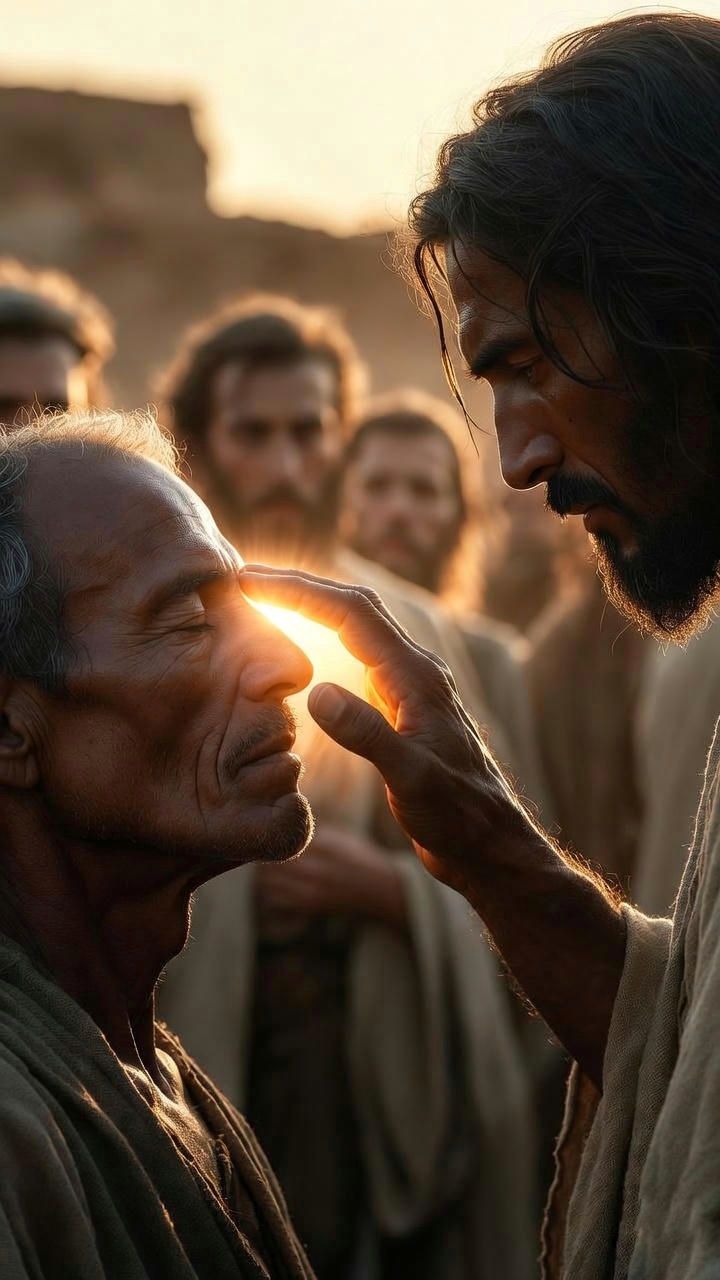
The quest for healthy masculinity lies in the pursuit of Christ Himself: He is the ideal Man in every respect, the very embodiment of infinite, perfect masculinity. (Co 2:9) In pursuing His likeness we find everything we need in Him. (10) Through Him we study Him, we contemplate Him, we align our beliefs and wills with His as He enables and equips us (Php 2:13): we follow His steps. (1Pe 2:21)
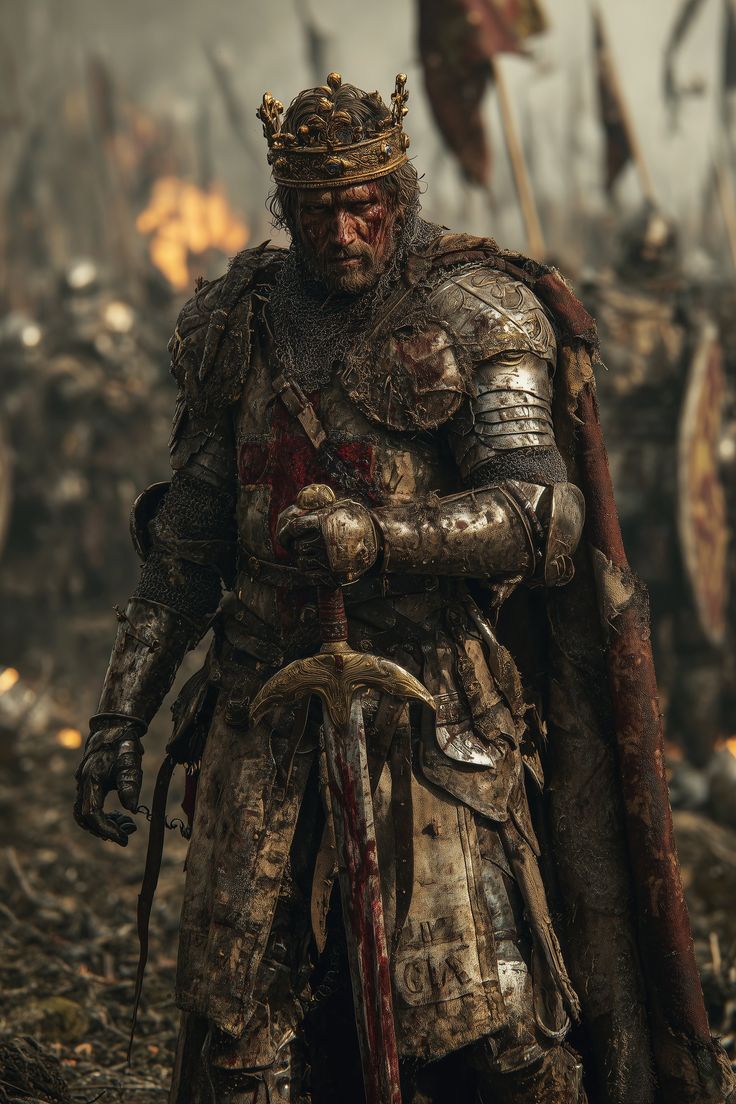 We might begin to comprehend the masculine essence of Christ by observing how He perfectly fulfills the triune role of Prophet, Priest and Warrior-King: He’s the ultimate Prophet (De 18:18), reconciling us to God (2Co 5:19) as our Great High Priest (He 4:14), revealed as the ultimate Warrior to destroy all satanic works (1Jn 3:8b), reigning supreme as King of Kings (Re 19:16). He also, as our Brother (He 2:11-12), calls us to put Himself on (Ro 13:14), to emulate Him as prophets (1Co 14:31), priests and warrior-kings. (Re 1:6)
The Prophetic role is the foundation: godly masculinity is grounded in wisdom (Pr 23:23) and truth (Ep 6:14a); we pursue the truth about God, about ourselves and others: about all of Reality. (Pr 23:23) In speaking truth we do so in love (Ep 4:15), seeking to edify rather than shame or manipulate; we don’t force the truth, casting pearls before swine (Mt 7:6), or weaponize it. (Pr 12:18)
The Priestly role builds on truth and love relationally, both pursuing the divine romance ourselves and also inviting others into it. (2Co 5:20) The priest is the ultimate peacemaker, first finding personal healing and reconciliation with God, and then facilitating soul restoration amidst relational chaos in both family and community. He develops emotional intelligence, opening his own heart to feel the pain of others (He 4:15), empathizing with those who are ignorant and lost (He 5:2) yet keeping healthy boundaries. He’s free to be wisely compassionate, not enabling sin while gently promoting the way to freedom. (2Ti 2:24-26)
The warrior-king wields the truth and authority of God to bring his sphere of influence into order before God. His weapons are not carnal and fleshly, but mighty through God to expose and dismantle spiritual strongholds. (2Co 10:4) He begins by mastering himself (Pr 25:28), disciplining his mind (2Co 10:5) and body (1Co 9:27) for the glory of God. (1Co 10:31) Then as servant-king he leads by gentle example (2Ti 2:24-25) and self-sacrifice (Ep 5:25), prayerfully empowering others in their pursuit of God. (Php 1:9-11)
This is an iterative journey, building healthy masculinity layer upon layer, dismantling the dead weight of the carnal mind one lie at a time. These three facets of divine masculinity: prophet, priest and warrior-king, are interconnected, divine qualities the Spirit of Christ manifests in men seeking to live according to His design. He will glorify Himself in a uniquely masculine way within each brother submitting to Him; we may not all look and act in exactly the same ways (1Co 7:7), but we’re all pursuing the same Master, and God Himself will show us the way. (Php 3:13-15)