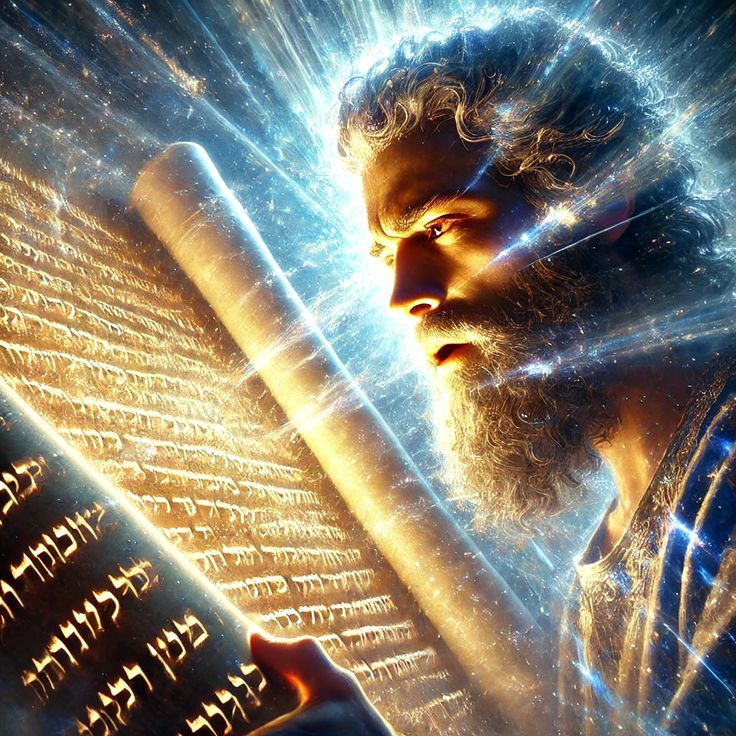
As In a Glass

Torah’s role in spiritual life has always been controversial, swinging between extremes; we’re either abusing it trying to earn right standing with God (Ro 10:3) or claiming it’s largely obsolete, fulfilled (abolished) by Christ.

The reality is the entirety of Mosaic Law, “the ministration of death, written and engraven in stones”, is so glorious unregenerate souls cannot bear to look deeply and honestly into it (2Co 3:7a); the god of this world has blinded their minds (2Co 4:4) such that they cannot yet see Christ’s glory in Torah. (2Co 3:14a)

In other words, the beauty of Torah is hidden, or veiled, to those whose hearts have not yet turned to God. (15) Once we receive Christ, Who is the perfect embodiment of Torah, as He truly is the veil or blindness is healed and this covering over our heart is taken away (16), such that we can now enjoy Christ’s glory through Torah. (14b)

Torah by itself, though it is powerless to make anyone righteous (Ro 8:3), being the ministration of condemnation, is unfathomably glorious (2Co 3:9a); God’s righteous standard is spectacular, amazing, breathtakingly desirable (Ps 119:20), more precious than gold. (Ps 19:10)

Even so, the Gospel is even more glorious than Torah. (2Co 3:10) Torah was never intended as a means of salvation; rather, in showing us how God requires us to live, Torah exposes our sin and condemns our carnal mind, revealing our desperate need of redemption. (Ga 3:24) Though Torah will become obsolete (2Co 3:11) in the new Earth, until then (Mt 5:18) it gloriously reveals the nature and character of God so we may be transformed into His likeness. (Ps 119:35)

Redemption and salvation are discovered in God’s New Covenant as He writes Torah into our hearts (He 8:10), ministering true righteousness into us, which is even more glorious than Torah alone. (2Co 3:9b) Since our unregenerate mind is enmity against God, unwilling to submit to His Law (Ro 8:7), He must supernaturally give us new minds and hearts which delight in Torah (Ro 7:22); this is the miracle of the new birth, and it is by means of Torah (1Pe 1:23), through which God saves our souls. (Ja 1:21)

Thus, the glory of the Gospel itself enhances and extends the glory of Torah by creating the practical reality of it within us (Ep 2:10); the New Covenant enables us to keep Torah in spirit and in truth, to obey it from the heart such that the righteous requirements of the law are actually fulfilled in us as we walk after the Spirit. (Ro 8:4)

God works His righteousness into us over time as the Spirit transforms us into the image of Christ through Torah (Ps 19:7a), grafting Torah into us as we behold the glory of Christ’s character and essence embodied in Torah (Ps 119:18); Torah serves as the glass or mirror reflecting God’s nature into us by the Spirit. (2Co 3:18)

If Christ were preached as He truly is, honoring the entire Torah (Mt 22:37-40), offering to save us from our tendency to violate Torah (in other words, to  sin – 1Jn 3:2), by supernaturally engrafting Torah into our hearts and minds (He 10:16), transforming us so we will love His laws and meditate on them all day long (Ps 119:97), even ranking us eternally based on how we honor it all (Mt 5:19), and threatening to trample underfoot all who will not submit to Torah (Ps 119:118), who would receive Him?

As it turns out, those who will not receive this Christ, who willfully persist in despising Torah and discounting it (He 10:26-27), are indeed following another Jesus whom Paul did not preach (2Co 11:4a); they’ve received another spirit (2Co 11:4b), a seducing spirit (1Ti 4:1), not the Holy Spirit; they’re accepting another gospel (2Co 11:4c), one promising freedom from Torah rather than giving us repentance and engrafting Torah into the core our being, making it an integral part of us.

Most who think they’re safe in Christ are not (Mt 7:21-22); they’re still on the wide road to destruction (Mt 7:13-14), heedless of their fate, only in the end to hear from Christ Himself the most dreadful of all pronouncements: “I never knew you, depart from Me, you who work iniquity (practice lawlessness).” (23) Unlearned and unstable, they wrest the words of Paul, as they do also the other scriptures, unto their own destruction. (2Pe 3:16)

articles      blog

Kings and Priests

The quest for healthy masculinity lies in the pursuit of Christ Himself: He is the ideal Man in every respect, the very embodiment of infinite, perfect masculinity. (Co 2:9) In pursuing His likeness we find everything we need in Him. (10) Through Him we study Him, we contemplate Him, we align our beliefs and wills with His as He enables and equips us (Php 2:13): we follow His steps. (1Pe 2:21)

We might begin to comprehend the masculine essence of Christ by observing how He perfectly fulfills the triune role of Prophet, Priest and Warrior-King: He’s the ultimate Prophet (De 18:18), reconciling us to God  (2Co 5:19) as our Great High Priest (He 4:14), revealed as the ultimate Warrior to destroy all satanic works (1Jn 3:8b), reigning supreme as King of Kings (Re 19:16). He also, as our Brother (He 2:11-12), calls us to put Himself on (Ro 13:14), to emulate Him as prophets (1Co 14:31), priests and warrior-kings. (Re 1:6)

The Prophetic role is the foundation: godly masculinity is grounded in wisdom (Pr 23:23) and truth (Ep 6:14a); we pursue the truth about God, about ourselves and others: about all of Reality. (Pr 23:23) In speaking truth we do so in love (Ep 4:15), seeking to edify rather than shame or manipulate; we don’t force the truth, casting pearls before swine (Mt 7:6), or weaponize it. (Pr 12:18)

The Priestly role builds on truth and love relationally, both pursuing the divine romance ourselves and also inviting others into it. (2Co 5:20) The priest is the ultimate peacemaker, first finding personal healing and reconciliation with God, and then facilitating soul restoration amidst relational chaos in both family and community. He develops emotional intelligence, opening his own heart to feel the pain of others (He 4:15), empathizing with those who are ignorant and lost (He 5:2) yet keeping healthy boundaries. He’s free to be wisely compassionate, not enabling sin while gently promoting the way to freedom. (2Ti 2:24-26)

The warrior-king wields the truth and authority of God to bring his sphere of influence into order before God. His weapons are not carnal and fleshly, but mighty through God to expose and dismantle spiritual strongholds. (2Co 10:4) He begins by mastering himself (Pr 25:28), disciplining his mind (2Co 10:5) and body (1Co 9:27) for the glory of God. (1Co 10:31) Then as servant-king he leads by gentle example (2Ti 2:24-25) and self-sacrifice (Ep 5:25), prayerfully empowering others in their pursuit of God. (Php 1:9-11)

This is an iterative journey, building healthy masculinity layer upon layer, dismantling the dead weight of the carnal mind one lie at a time. These three facets of divine masculinity: prophet, priest and warrior-king, are interconnected, divine qualities the Spirit of Christ manifests in men seeking to live according to His design. He will glorify Himself in a uniquely masculine way within each brother submitting to Him; we may not all look and act in exactly the same ways (1Co 7:7), but we’re all pursuing the same Master, and God Himself will show us the way. (Php 3:13-15)

articles      blog

Being Confident

audio

I have often struggled with self-confidence, insecurity, feeling tense, uneasy, routinely second-guessing my abilities, decisions and beliefs. I don’t admire this quality, either in myself or others. I’ve wondered how to develop godly self-confidence.

What exactly is self-confidence? We might define it as a feeling of certainty, assurance, strength and peace when making decisions, resulting in a humble assertiveness, boldness, decisiveness and stability. It’s evidently on a spectrum; there are degrees of confidence. And it might also vary within the same person in different scenarios; we might feel confident in some contexts and not others.

If we look for godly examples and mentors, we should first meditate on the ultimate embodiment of self-confidence: Jesus Christ. As a man, He was so supremely confident it was astonishing to those who experienced Him. (Mt 7:28-29)

The opposite of self-confidence is evidently unbelieffear and doubt: fear of failure, fear of Man, wanting to please others (Ga 1:10), fear of being mocked, persecuted, disrespected or excluded from relationships. (1Jn 4:18) This is ultimately grounded in mistrusting God. (Is 26:3)

We can have confidence in our physical and/or intellectual abilities, skills and knowledge, and in our interpersonal skills in navigating complex relationships and social contexts, and in our relationship with God Himself. (2Co 5:6-7) Since they relate to different life dimensions we ought to treat each area differently.

Confidence in our abilities and skills may be developed by disciplining and training ourselves, learning about our aptitudes and pushing ourselves to become stronger and more capable. (Pr 22:29, Ps 18:34) Knowing ourselves through experience is evidently the key to this type of self-confidence.

And we should note that developing such confidence is godly. Refusing to acknowledge, appreciate, develop and leverage the gifts God has graciously given us to serve Him is to sin against both Wisdom and Love. (Ep 4:7-8, Ja 1:17)  Neglecting them is generally grounded in ungodly fear (2Ti 1:7), which despises God Himself. (Mt 25:24-26)

Confidence in interpersonal contexts may be mere presumption, assuming we’re right because we hate being wrong, but this is pride, an abomination to God (Pr 16:5), thinking more highly of ourselves than we ought. (Ga 6:3) The fear of God shuts this down (Pr 9:10), moving us to consider differing points of view and learn from others (Ja 1:19), without doubting our own ability to know and rest in the truth (1Jn 2:21) because we trust God to reveal it to us. (1Jn 2:20)

So, how do we know what to say or do in a given relational circumstance? If we cannot control how others will respond (and we can’t), and we’re not to be primarily concerned with what others think of us (1Co 4:3), or to assume we’re right by default (1Co 8:2), how then can we be confident we’re doing/saying the right thing, at the right time, in the right way?

It must come down to motive. The fact is, when we’re serving others in love and wisdom rather than in foolishness and selfishness, we fulfill the ultimate moral law. (Ro 13:10) Second-guessing this is to sin against the highest good. If we’re aligned with Love, and thus aligned with God Himself (1Jn 4:8), what is there to be afraid of, regardless of the outcome? (1Jn 4:18) Even if we miss the mark on occasion, at least it isn’t moral failure — it’s a growth opportunity: it’s nothing to fear because we’re building on a solid foundation. (Mt 7:24-25)

Christ-like confidence is thus grounded in proving what is that good, and acceptable and perfect will of God (Ro 12:2), and then doing God’s will, prayerfully trusting He will manage the outcome as He wills. (Php 4:6-7) It is trusting God is at work in us (Php 2:13), that He’s empowering us (2Co 3:4-5), and that He will continue to do so. (Php 1:6)

How then do we know whether we’re walking in wisdom and love? We must be observant, studying ourselves, noticing our motives, how we’re feeling and thinking and what we’re ultimately pursuing. Through healthy introspection we keep asking God to search us and know us, revealing the deepest places of our inner selves to us, exposing all which is not Wisdom and Love (Ps 139:23-24), trusting Him to heal us (2Ti 2:25-26) and give us more wisdom (Ja 1:5) and love. (Php 1:9)

Knowing our gifts and calling are from God, and that He expects us to actively engage them in glorifying Him, heals weakness, timidity and indecision. We’re reminded that our worthiness isn’t self-earned but received from God (1Co 4:7), and that we are secure in Him (Re 1:5-6), freeing us to accept ourselves (Ep 1:6) and satisfying our need for validation and affirmation. (1Th 2:4)

articles      blog

Any Likeness of Any Thing

audio

The 2nd command in the Decalogue forbids making unto ourselves any image of God, or even any likeness of God. (Ex 20:4) It also forbids worshipping any object resembling or representing God, treating any physical likeness of God with special reverence as if it were God, to honor or respect it as an embodiment or depiction of God. (5) Any such image or likeness can become an idol: all who worship or revere the object as a god become idolaters (2Co 10:7), and have no part in the kingdom of God. (1Co 6:9-10)

So, does this command forbid making a movie about Jesus to share the Gospel story? as a way to tell others about Christ, to try to reveal who He is, to help others understand what He is like and what He has done for us? Is it wrong to paint a scene of Jesus in the act of ministry? or suffering on the cross, dying for our sins?

Such artistic creations are indeed representations of God by definition; they depict Him explicitly, even though they’re not generally intended to embody God, or to be reverenced as if they are God, to take His place or supplant Him. So, we might be tempted to think it’s OK to develop such art. Yet God doesn’t provide any exceptions to His command: there’s no acceptable motive for creating any likeness of Himself.

Even though the intent is generally to point others to God, to make Him known more widely and effectively through engaging modes of communication, it doesn’t justify breaking God’s command. Similar to telling a story or giving an illustration, a picture, likeness or image can indeed be worth a thousand words, but are such images actually helpful? or do they do more harm than good?

Those who interpret such art forms as if they were God Himself are evidently immature and misguided, yet once an image of God is created, we have no control over how people will respond to it; those who are weaker in their spiritual understanding or disposition will invariably treat such images with special reverence or even worship, while the more mature may merely treat the object with elevated respect, deference or importance. In any case, disrespecting such objects is generally considered sacrilegious because of what they represent, and this is to be expected.

Any physical object associated directly with God, even in a cursory manner, becomes holy or sacred (Nu 16:37); the very name of God is holy and ought not to be abused, spoken irreverently or casually. (Mt 6:9) How much more careful then should we be with any supposed likeness of God? If it’s natural to treat it with reverence and respect, even if we don’t worship it, doesn’t this inform our application of God’s 2nd command? He clearly says not to create such likenesses, evidently, because He doesn’t want us awkwardly engaging with sub-optimal, inaccurate images of Himself.

Consequently, when Father God reveals Himself, He always does so with symbolism: a burning bush, a bronze serpent, pillars of cloud and fire, a lamb, a lion, not with explicit likenesses or images. Between the cherubim in the Holy of Holies in the temple, the only place on Earth where Father God says He will dwell … there’s no image, only Shekhinah glory.

Even the Son of God Jesus Christ, when He came to live among us, may not have revealed His true appearance; He may well have dwelt among us incognito. He is the most beautiful Being in existence (Ps 45:2), yet He took upon Himself an unattractive form (Is 53:2), humbling Himself more than we can ever truly know. (Php 2:7-8)

Also in His glory, when John describes the Son of Man (Re 1:13-16), the detail is insufficient to completely inform the creation of an image; it’s still a bit symbolic and vague. We may imagine the remaining detail, but this is no stumbling block to anyone; it’s quite different than crafting an actual image.

Further, no matter how sincere, thorough and careful an artist is, no likeness or image can fully capture the infinitude of God — the work will misrepresent Him by definition, and very likely in significant, profound ways. Even images or movies about Christ seeking to publish His story and share the Gospel, even if they’re only quoting Him verbatim from Scripture, must guess at His disposition, attitude and general demeanor. But body language, facial expression and verbal tone are thought to be 70-90% of communication, and it’s certain that every attempt to embody these aspects of Christ will be imperfect and therefore incorrect, misrepresenting Him in some substantial way, and we truly have no idea how far off any of them are. The more I learn of God’s heart (Ps 119:136), the more I fear many of these works are seriously missing the mark, perhaps even presenting another Jesus, not the true Messiah. (2Co 11:4)

So, do such movies, pictures and statues really help us understand what God is like, so we may know and worship Him more effectively? If they did, if they were good for us, wouldn’t God have provided them Himself? (Ja 1:17) He could have done so, bypassing all the corruption and misrepresentation from well-meaning artists, but He not only didn’t provide anything — He carefully worded the 2nd command so as to explicitly forbid anyone else from doing so.

Perhaps Jehovah God gave us the 2nd commandment the way He did because there’s something deeper at stake here. We’re constantly trying to re-make God in our own image (Ps 50:21), to re-imagine Him after our own sinful likeness, rather than beholding His glory as He is revealing Himself so we’re transformed more into His image. (2Co 3:18) We do this instinctively, corrupting our own worship, being alienated from the life of God through our own ignorance of Him. (Ep 4:18)

The natural man will never receive God as He truly is (1Co 2:14), only what it wishes for Him to be. Since any physical object or artist’s rendition of God diminishes His glory per the artist’s own biases and limitations, attending to, serving or inappropriately focusing our attention on such works will necessarily diminish the quality of our own worship, our capacity to ultimately enjoy Him in Spirit and in Truth. (Jn 4:24)

God has given us His written Word to fully inform both our Gospel witness (Ro 16:26) and our worship. (Ps 119:7) When our eyes are enlightened by the Spirit through the Word, we really don’t need anything else. (2Ti 3:16-17)

The enemy’s always ready with a clever argument as to why it’s beneficial to violate God’s commands, but if we consider his reasoning carefully it always fails the sniff test. Are those who produce explicit images of God guilty of violating the 2nd command? Are they creating stumbling blocks for the weak? Are they, in fact, attacking the glory of God? I’m afraid they are, though God may use their works for good in spite of this. (Ro 3:7) Only God knows the heart, and He will sort it all out when He returns. (1Ti 1:13)

articles    posts

Ye Are Gods

As Jesus testifies to the Jews of His identity, that He and Father God are one (Jn 10:30), they take up stones to stone Him. (31) When He challenges them to explain why they’re trying to kill Him (32), they accuse Him of blasphemy (33a), offended that He, a mere mortal, is making Himself God. (33b) They’ve evidently decided a human being cannot possibly be God, that God would not present Himself that way.

Are they presuming God cannot present Himself in human form? That this is simply too difficult for God? (Ge 18:13-14a) Likely not; they understand God is omnipotent, capable of anything He wishes. (Ps 115:3)

They evidently presume God would never want to do so; that this would be inappropriate, too condescending, way beneath His majesty; He would never abase Himself in this manner. Perhaps they reason human beings are too weak and sinful, so far beneath God He would never humble Himself to appear in human form. (Php 2:7-8)

In response, Christ quotes from Psalm 82 and challenges the Jews with a question: If God Himself tells us we’re gods (Ps 82:6a), why is it blasphemy for Christ to claim to be the Son of God? (Jn 10:34-36) He appears to be addressing the root cause of their presupposition: that God would never take on a human body, and so identify Himself with us as to live as a Man among us.

In saying we are gods (lords, rulers) Christ is evidently pointing out a consequence of God making men in His own image (Ge 1:26a), charging us to subdue the earth (28a) as He gives us dominion over all of it. (26b) We not only bear His likeness, as kings we have a domain of authority and control resembling His. Christ appears to be demonstrating our value lies not in our behavior but in our image, design and calling. This is fundamental truth these Jews seem to have overlooked, exposing their presupposition as error.

Further, in the immediate context of His quote from Psalms, we find we are all children of the most High. (Ps 82:6b) God values us immensely and identifies with us as a Father, treating us as part of His family. Christ appears to be giving sufficient evidence Jehovah God is willing to walk among us as one of us (Ge 3:8-9); He loves us and values us dearly.

So, in His challenge, Christ effectively removes any and all grounds for presuming God is unwilling to take on human flesh, and exhorts the Jews to focus on the evidence: Do Christ’s works verify His claim to be divine? If so, they should be willing to accept Him as God rather than cling to arbitrary bias unsupported in Scripture. (Jn 10:37-38)

This seems exemplary of God’s dealings with Man; in receiving Him we must humble ourselves, receive the evidence He’s given us (1Jn 5:10-11), acknowledge Him as God and trust Him as Savior. (Jn 1:12)

articles      blog

Being the Brightness

When Christ walked the earth He looked normal, like any other person, but on the Mount of Transfiguration His face became so bright it shone like the sun. (Mt 17:1-2) This is evidently His natural state, what He’s like when He isn’t veiled, disguised, subdued.

For example, when Jesus appears to Paul from Heaven His face is even brighter than the sun. (Ac 26:13) And we find the same when Jesus appears to John years later (Re 1:16); Christ is so overwhelming in His mere appearance our dear brother John faints dead away. (17a)

Further, when Christ returns to reign on Earth, His very brightness destroys His enemies. (2Th 2:8) So, He’s already toning it down a good bit when He appears to the apostles and to Paul.

Jesus is the brightness of God (He 1:1-3); He Who made the universe outshines all the stars together. (Co 1:16) When Jesus walks into a room, unless He gets out His dimmer switch and tones it down, we will not only be unable to look at Him — any more than we can stare directly into the sun — in our natural state we’ll need to take cover and/or shield ourselves from His brightness in order to survive… if anything actually could shield us from it. And this is when He’s in a kind, loving, gentle mood.

What then will it be like when He’s angry? When Jesus Christ, the Lord of glory, rises up from His eternal throne in a full on, indignant rage? (Je 10:10) At the end of the age, when the King of Kings shows up in all His glory and splendor (Re 19:16), full of wrath and fury (2Co 5:11) we have no idea what that will be like – nothing in all Creation can endure His undiluted, unfiltered, angry presence (Re 6:16-17): Creation itself will try desperately to flee and find no cover. (Re 20:11)

When He came the first time, Jesus Christ of Nazareth was unimpressive, not much to look at. (Is 53:2b) Born in a stable among some animals, to a poor family from a very poor community, having no formal education, He essentially came to us incognito. If He hadn’t veiled His glory like this His enemies wouldn’t have been able to act like enemies; He was pleased to give them the opportunity to express their nature before the universe, which they certainly did, for all of us to ponder. (1Th 2:16)

And I suppose it’s reasonable to expect this is why He still seems to be mostly in hiding, not typically showing Himself in unmistakable, overwhelming ways just yet (He 12:18-21): it’s evidently to let us all show who and what we are before He throws open the doors of the Heavenly Courtroom. (Ro 9:22) He will do so, some day. (Ro 2:4-6)

So, it’s wisdom to kiss the Son lest He be angry, and we perish from the way, when His wrath is kindled just a little. (Ps 2:2) Let’s not trifle with Jesus (2Co 5:11); He’s been incredibly kind and merciful to deliver us from the wrath to come (1Th 1:10), but let’s not disrespect Him or take Him for granted; He’s to be feared as well as loved. So, let’s honor and revere Him as He deserves (Jn 5:23), serving and obeying Him with fear and trembling. (Php 2:12)

articles      blog

Christ Our Life

Losing a loved one, a friend, a job, or our health can be destabilizing, even a slight change in our routine can be challenging. What does it take to disorient us and send us into a tailspin? When our world begins to collapse do we become fearful, lost? Do we lose our faith in God? in Life itself?

To the degree we draw our sense of well-being from this world, the more losing it will cripple us. Trying to draw life from non-life-giving sources is a dead end.

The truth is, even now we don’t have any of these temporal things we think we have; our possessions, relationships, health, occupation, our whole world is passing away. (1Jn 2:17) We came into this world with nothing, and we won’t take any of it with us when we leave. (1Ti 6:7) What we have the moment after we die is all we really have now.

This is troubling if we’re looking for life and love like most everyone else, minding earthly things (Php 3:18-19), defining life in the context of earthly experience … building houses on the sand. (Mt 7:26-27)

When Christ becomes our Life (Co 3:4) our sense of well-being is grounded in Him; our foundation doesn’t collapse when our temporal world falls apart because we’ve built our house on the Rock. (Mt 7:24-25) Our life down here is a vapor (Ja 4:14); our treasure isn’t here, it’s in Him. (Mt 6:19-21)

In this world we will have tribulation, and that’s OK. (Jn 16:33) We who are already dead in Christ, our life is hid with Him in God (Co 3:1), and we will live with Him. (2Ti 2:11) Our lives are living sacrifices for Him to do with as He pleases. (Ro 12:1) To live is Christ, and to die is gain. (Php 1:21)

articles    blog

I Create Evil

The problem of evil in the world is challenging; we recognize pain and suffering exists — bad things happen — and we often describe this as (empirical or natural) evil. And if we’re thoughtful, we also recognize we all do things we ought not — we do wrong: when people deeply and willfully violate the universal moral standard of human conduct, we call such behavior (moral) evil. If God can prevent evil and does not, or if God Himself actually causes evil, we have difficulty understanding how God can also be just, good and loving.

First, there’s a difference between saying God allows evil, and saying God causes evil. There’s also a difference between saying God causes human suffering, and saying God causes people to be morally corrupt and wicked.

The Bible clearly states God creates evil (Is 45:7), but the immediate context doesn’t tell us what kind of evil God creates. Does God cause people to be wicked, to break His Law, or does He merely cause some (or all) human suffering?

Scripture tells us plainly God often causes human suffering: He punishes Israel when she breaks His laws (De 28:21-22) and He chastens those He loves. (He 12:5-6) His motive is always good (Ps 145:17): God punishes evil righteously (Ps 9:7-8), and He chastens His children to cause them to be holy. (He 12:10, Ps 119:75) He does not cause all human suffering (Lk 13:16), but He does ordain all of it for His purposes. (Ge 50:20, Ep 1:11)

But scripture does not clearly state God causes people to be wicked; rather, God says He doesn’t even tempt us to do evil (Ja 1:13), much less cause us to be evil; people are wicked all on their own. (14) This is the fact of Free Will: God allows us to sin against Himself and each other. (Ro 1:24-26) In fact, unless God restrains us from being evil (Ps 19:13), evil is the default human condition (Ep 2:1-3, Mt 7:11) and it’s been this way ever since the Fall of Man. (Ge 6:5)

The alternative is a God Who actually causes us to do evil and then punishes us for doing what He makes us do. (Ro 2:8-9) God might indeed be so, in theory anyway, but I’d need to confess I know nothing at all of His moral character, having lost all hope I ever could.

articles      blog

The Avenger

God tells us very plainly not to avenge ourselves (Ro 12:19), yet He also makes provision in His Law for His people to avenge the death of a loved one, and He evidently wants us to do this. (De 19:12) Thus, while it’s true that vengeance belongs to God alone and not to us, there are evidently times when He chooses us to be the instrument of His vengeance and to deliver it on His behalf.

Predator C Avenger

As we exact revenge on our own, we seldom do so with the right heart; our wrath doesn’t work the righteousness of God (Ja 1:20); righteous anger is indeed a rare thing. Yet when God sets the boundaries on when and how we’re allowed to take revenge, He is keeping us within His standards and ordering our steps in His ways.

After all, as warped as our desire to get even generally is, it is based on a desire for justice, and justice is generally a good thing; it’s a deterrent to evil and places the ultimate cost of malevolence on the perpetrator rather than the victim. When a legal system aligns with God and allows us to take proper revenge, this is holiness.

What God forbids is taking matters into our own hands; He sets the stage for revenge in the context of impartial community which agrees on the legitimacy,  method, timing, and degree of our response. Apart from such a legal system, we must leave restitution entirely in God’s hands.

USS Avenger Minesweeper

Even so, though we’re not allowed to avenge ourselves per current legal standards, we may certainly desire justice (Re 6:10), even rejoice when it’s carried out, and this might indeed be righteous. (Re 19:1-2) When justice is sought so God Himself might be vindicated, for He is the one primarily and mostly wronged in every offense (Ps 51:4), our interest in justice may then be upright. (Ps 119:84)

Yet how do we integrate love for mercy into our love for justice? How are we to do justly as well as love mercy? (Mi 6:8) We do it by loving our neighbor, desiring what’s best for him, which is to be reconciled to God and to walk in His ways.

When repentance is already present (Ex 20:6), or if we have evidence that mercy will further reveal the goodness of God and encourage repentance (Ro 2:4), then mercy is very likely appropriate. (Mt 18:33) Otherwise, justice is likely best, for offender, victim, and all within society. (De 19:20)

articles  ♦  blog

To Know the Love

The love of God is certainly a mystery; He loves in ways which are quite foreign to us. He loves His enemies (Mt 5:44-45), offering forgiveness and reconciliation (Ro 10:21), while allowing immense suffering in His own children when He could easily prevent it; to the most faithful and obedient He even bestows pain and suffering as a gift. (Php 1:29) It’s not the kind of love we’re familiar with.

The goal of God’s love, the guiding principle, is evidently not our temporal pleasure or comfort, but that we might be partakers of His holiness. (He 12:10) This truly is ultimate benevolence and merciful kindness, to align us with Himself and His nature, with truth and light; anything less would be unloving and malicious.

God knows all, including what we would do, left to our own devices, in every situation we could possibly encounter, and what we would become without His intervention and aid in every conceivable circumstance. He also knows the absolute best way to reveal Himself in and through us, and how to work holiness in us for His own glory and pleasure. (Php 2:13) His love, both for Himself and for us, ensures He will do so perfectly, in the perfect way and in the perfect time (Jud 24), working everything for ultimate good in and for those who love Him, who are called according to His purpose. (Ro 8:28)

The primary manifestation of God’s love is in sending His Son into the world that we might live through Him. (1Jn 4:9) It’s here we find the ultimate expression of love: God sending His Son to be the propitiation for our sins (10), to redeem us from all iniquity and purify us unto Himself. (Tit 2:14)

In order to save us God became sin for us, that we might be made perfectly righteous in Him. (2Co 5:21) God suffers inexpressibly in order to be in relationship with us, laying down His very life for us. (1Jn 3:16) In other words, God is all in; He holds nothing back (Ro 8:32), and He can rightly require no less of us (Ro 12:1) — this isn’t about comfort: it’s about holiness, without which no one will see God. (He 12:14)

The full experiential knowledge of this love is priceless; we should study it and meditate on it, asking God to open our eyes (Ep 1:16b-17), praying for ourselves and for each other, that we might be filled with all the fullness of God. (Ep 3:14-19)

How well we understand God’s love is revealed in how well we’re obeying Him. (1Jn 2:3) How thankful are we? (Ep 5:20) How joyful? (Php 4:4) Are we abounding in hope? (Ro 15:13) Are we seeking the welfare of our enemies, in God and for Him? (Mt 5:44-45) Do we see God’s love in all He does? (Ro 11:36) This is the Holy Ghost revealing the love of God in us, and shedding it abroad through us. (Ro 5:5)

articles  ♦  blog