The Apostle Paul faced a severe dilemma in the early days of the Church; circumcision, commanded by God (Ge 17:10) as an expression of saving faith (Ro 4:11), and obediently observed by Abraham and the patriarchs, had also come to represent ritual conversion to Judaism(Ac 15:1), a religion teaching legalism: salvation by works (Ga 5:4), entirely contrary to justification by faith. (2-3)
Should Paul discourage obedience to one of God’s core commands (Mt 5:19) now that it’s been twisted into the foremost expression of rejecting God’s salvation? symbolic of earning salvation by works? (Ro 10:3) How could he neglect a plain command of God in good conscience, knowing saving faith establishes the law? (Ro 3:31) Yet how could he encourage obedience here without compromising the gospel? (1Co 9:22-23)
Paul circumcised Timothy (Ac 16:3), evidently not as a convert to Judaism, but to fulfill Torah as a good testimony to the Jews in his community, since Timothy would be a constant, faithful fellow worker with Paul throughout his ministry. (1Co 4:17)
However, when Titus was being pressured into ritual conversion to Judaism Paul objected fiercely, understanding this as a direct denial and corruption of the gospel. (Ga 2:3-5) Making a severe and costly break with the legalistic traditions of his people (5:11), Paul concluded those pushing Judaism on the Gentile saints as a condition of salvation were unsaved and cursed (1:10); he even wanted God to kill them. (5:12)
Paul clearly taught that those who converted to and depended on Judaism for salvation were not trusting Christ and were unsaved. (Ga 5:2-3) However, though he was accused of teaching the Jews to forsake circumcision (Ac 21:21), both by his public example (24) and testimony (25:8) it is clear Paul never did teach it was appropriate to neglect physical circumcision as an act of obedience to God.
If Paul didn’t discourage Jewish believers from circumcising their children, he wouldn’t have discouraged Gentiles from doing so either; circumcision was not a particularly Jewish thing (Jn 7:22); it existed in Abraham, the father of us all (Ro 4:16), long before the Jewish people.
So, Paul encourages circumcision in the context of obedience to God’s Law and forbids it when it is embedded in the larger context of ritual conversion to Judaism. Further, Paul teaches it is unnecessary for Jews to renounce their Jewishness by undergoing a formal act of becoming uncircumcised(1Co 8:18a), and encourages Gentiles to retain their ethnic and national identity rather than becoming Jewish. (18b) Effectively, he sees national identity as irrelevant in the context of defining a right relationship with God (19a); what’s important is staying true to the gospel while faithfully keeping God’s commands. (19b)
When the Apostle John received the Revelation of Jesus Christ(Re 1:1), he tells us he was, “in the spirit on the Lord’s Day.” (10) This term, “the Lord’s day”, occurs only here in Scripture, and it’s nearly universally understood by Christians to be a reference to Sunday, the first day of the week, though there’s no indication of this in the immediate context.
Why would Christians insist John is referring to Sunday? Typical reasoningis since the saints in Troas assembled for a meal and teaching on a Sunday (Ac 20:7), the early Christians must already have been observing Sunday as their day of rest and worship since Christ rose from the dead on Sunday. (Mk 16:9)
However, it is reasonable to think this particular meeting in Troas occurred in the evening, just after sunset on Sabbath, since Paul’s speech continued until midnight (speaking 5-6 hours straight is much more likely than 12-15 hours). The evening is when the biblical new day begins, and it would be very convenient for believers to meet just after sabbath on the first day of the week at or near a synagogue where both Jews and believing Gentiles would already be gathering to hear Scripture read and expounded. (Ac 15:30)
Early believers only had the Tanakh (Old Testament, there was no formal New Testament yet), and copies were very expensive; the synagogue likely had the only Scripture in any given city. If one wanted regular access to the Word of God, synagogue was it. This is a very reasonable motivation for meeting on in the evening after Sabbath (Sunday evening); we need not assume early Gentile believers were arbitrarily fabricating a new holy day to supplant the sabbath, breaking with their Jewish brothers and sisters to despise a basic command of God observed by saints for millennia.
Sunday was a workday for Jews, so it would have been problematic for any congregation with a sizeable Jewish element to assemble during the day on Sunday. There is no indication in Scripture God told them to do so, there is no historical record of this practice during the apostolic era, and there is no clear motivation from their circumstances until quite late in the first century, so we may be confident they didn’t do this at first. The early disciples met daily, randomly, to eat and fellowship as much as they could, not just on Sundays (Ac 2:46), likely mostly informally in the evenings after work.
Paul’s instruction to Macedonian believers to allocate alms for poor Jewish saints (Ro 15:26) on the first day of the week (1Co 16:2) is also offered as evidence that early believers were meeting on Sunday and setting it apart as holy. However, the text does not indicate this was a collection taken up in the assembly but dedicated privately at home. So, this text also does not indicate believers were setting aside Sunday as holy.
Finally, since the disciples assembled in unity on the day of Pentecost (Ac 2:1), when the Holy Spirit was poured out on them (2-4), is taken as evidence that Sunday was already of extreme importance to the saints since it was Christ’s resurrection day. However, the Israel of God is commanded to assemble on the Day of Pentecost (De 17:16), which always occurson a Sunday. So, the disciples were evidently simply obediently observing this biblical feast according to the commandment.
The above comprises the sum total of evidence from Scripture suggesting Sunday is the Lord’s Day, and it’s not evidence at all, not even close. Christianity’s insistence on Sunday must be driven by something other than Scripture, by tradition starting well after the apostolic period as believers were desperately trying to distance themselves from Judaism and the burdensome Jewish Tax imposed by Rome. The eventual result was a newreligion which was foreign to the apostles, corrupted from the true (Is 8:20), an imitation and counterfeitusing all the same words and phrases, but fundamentally different, with new traditions and practices, often deeply antisemitic.
There’s only one reasonable choice for the Lord’s Day, it’s the day God Himself blessed and sanctified, the day He rested from His creative work: the seventh day. The sabbath days are His (Le 19:30), (Ge 2:4)[/simple_tooltip], in other words, belonging to Him; it is the sabbathof the LORDthy God(Ex 20:10), that is … the Lord’s day.
God warns the saints to not sinwillfully: He threatens severe chastening if we do. (He 10:26-27) What types of sins does this include? How do we avoid committing them?
The Greek is Ἑκουσίως(Hekousiōs), appearing only here and (1 Peter 5:2); it means deliberately, willingly, as opposed to thoughtlessly, instinctively, or from ignorance, weakness or under duress. It modifies the Greek ἁμαρτανόντων (hamartanontōn), to go on sinning. The thought is that the sinful action is habitual, premeditated, intentional, brazen, defiant … knowing the law of God and despising it. (Ro 1:32)
Biblical examples would include the sanctimonious lying of Ananias and Saphira, claiming to donate all the proceeds from the sale of their land while they were keeping back some for themselves (Ac 5:1-2), who were immediately and supernaturally slain. (Ac 5:5,10) The Corinthian who took his father’s wife (1Co 5:1) was delivered over to Satan by the church for the destruction of his earthly body so his spirit would be saved (1Co 5:5), and a man gathering sticks on sabbath (Nu 15:32) was promptly stoned to death. (Nu 15:35-36)
The context of God’s warning refers back to the precedent He sets in Torah: anyone in Israel caught despising Torah would be executed without mercy. (He 10:28) Mercy was available for those who sinned ignorantly (Nu 15:27-29), but there was no pity for those despised Torah and sinned presumptuously. (30-31)
If we find this harsh, inconsistent with the New Testament god of love and mercy, we’re trusting in another Jesus, one not found in scripture: the punishment for believers who sin willfully is not less severe but more. (He 10:29) Torah’s punishment was carried out by civil authority, but the punishment of believers is designed and carried out by God Himself and may very well be much worse than death. (30) Don’t go there; it won’t be worth it, not even close. (31)
David’s adultery with Bathsheba would certainly also fall into this willful category (2Sa 12:9); he didn’t die for it, but he may often have wished he had, for all the suffering and tragedy which followed because of it. (10-12)
It isn’t cruelty that drives God’s severity; God is good; there’s no malice in Him. God’s love moves Him to severity as appropriate. (Ro 11:22) The consequences of sin are simply too devastating to be left unchecked (Mt 5:29-30); God loves the saints way too much to let us go off and destroy ourselves and others. He will do whatever is needful to bring us back and keep us close because He loves us. (He 12:5-6)
When we’re tempted to sin presumptuously, we can ask God to keep us back from it and restrain us. (Ps 19:13) We can also assure ourselves that whatever it is that’s telling us it’s a good idea to sin willfully is lying; we can ask God to give us repentance to acknowledge the truth (2Ti 2:25-26), choose thefear of God and depart from evil. (Pr 3:7)
To establish the relevance of Torah for today we must consider the sacrificial system: would offering an animal sacrifice today dishonor the sacrifice of Christ in any way? If we are thus serving the earthly tabernacle, are we necessarily forsaking the cross of Christ? (He 13:10)
A key text here describes God’s peculiar interest in His earthly temple at the end of this present age; He has John measure the temple, the altar and those who worship and serve Him there. (Re 11:1)
Though the Jerusalem temple is dormantfor now, it will evidently be rebuilt and re-established in all its glory in this present age by the miraculous hand of God (2Th 2:3-4), and the sacrificial offerings will evidently resume. (He 8:4-5) So, even after the atonement of Christ is complete, a functioning Levitical priesthood is evidently not offensive to God. (He 8:4) Why would it be? After all, He designed and ordained it to help us all understand redemption (Jn 1:29): it never was designed to take away or finally atone for any personal sin. (He 10:11)
Both the earthly temple and its sacrificial system remain a precious example and shadow of heavenly things (He 8:5); they are not the heavenly reality (He 10:8), but constantly and perfectly point us toward this reality. (Re 11:19)
So, as the Apostle Paul fully participated in the Levitical sacrificial system with burnt offerings, sin offerings and peace offerings (Nu 6:13-14) without dishonoring Christ (Ac 20:26), we may each do the same if we understand these as merely shadows of heavenly realities (He 10:1), and not the ultimate realities themselves. There can be no more dishonor to Christ in a New Testament believer participating in such divine rituals with proper understanding than it was for an Old Testament believer to do so.
It is no surprise then that we find the early Jewish believers, the Twelve Apostles taught by the Master Himself, along with their faithful disciples, all zealously keeping Torah, including the sacrificial system, long after the sacrifice of Christ. (Ac 20:20) As they ministered powerfully in the Holy Spirit, they saw no inconsistency, knowing animal sacrifices never have taken away sins (He 10:4) but have always perfectly illustrated Christ’s redemptive work (1Co 5:7-8), reflecting the eternal mystery of divine atonement for sin in Christ. (He 10:14)
If it isn’t a problem for Jewish believers to participate in the sacrificial system today, if this type of worship brings no dishonor to the work of Christ and is perfectly consistent with the sanctifying work of the Holy Spirit (Ro 7:22-25), then it is so for the Gentile as well (Ep 2:12-14): we may all continue to enjoy the beauty and mystery of temple worship on Earth so long as Heaven and Earth stand. (Mt 7:18)
So, while John doesn’t officially measure the court of the Gentiles (Re 11:2), God at least mentions it — that there is a special place for all of us at the altar of God, even in these last days, an open invitation to all to come, remember, understand and rejoice in the redemptive work of Christ.
There will come a day when this type of worship is no longer possible, or even helpful; when the earthly temple is no more, only a heavenly tabernacle will remain. (Re 21:22) In that day the Levitical priesthood will finally become obsolete (He 7:12), and thus the related ceremonial laws of Torah abolished(18-19), replaced by the Melchisedek priesthood of Christ (11), Who serves the saints eternally in the Heavenly temple. (He 8:1-2)
There are certain parts of scripture which seem to say, on first reading, that certain parts of the Law have been abolished, rendering them obsolete, no longer binding or relevant for us today.
For example, when Paul says, “let no man judge you in food, or in drink, or in respect of an holy day, or of the new moon, or of the sabbath” (Co 2:16-17), it’s very easy to conclude he’s giving us freedom to ignore some of these old Jewish laws. Is this because we’re already inclined to think this way? Are we imposing our view on the text? or is the text actually saying this?
Let’s consider it carefully: What does “let no man judge you” have to do with our own, personal moral responsibility before God? or with what God Himself expects of us? or with our own obligation to obey His Law?
Nothing, actually: this is about how others assess how we’re obeying certain parts of Torah, how they think we’re supposed to observe God’s dietary laws, festivals, holy days and sabbaths.
When others accuse us of not doing it right, trying to impose their man-made traditions on us (Co 2:20-22), we shouldn’t be intimidated into trying to appease them. We should only be concerned with what God says, not the customs, traditions and commandments of men. (Co 2:8)
This is how Paul lives generally, not placing much stock in how others judge and evaluate his earnest walk with God (1Co 4:3), and this is how he encourages us: search out truth for ourselves (Ac 17:11) and obey it all as well as we can, as unto God. (Ro 14:4)
So, how is a text which has absolutely nothing to do with our personal responsibility to keep Torah so easily misread as permission to break it? Our presuppositions can easily blind us to what the Word actually says; they are much more powerful than we might think. (Ro 8:7)
When error is common, taught us right from the start of our spiritual journey, it may take the special intervention of God to set us free (2Ti 2:25-26), even when He’s laid it all out there right in front of us. Our teachers probably mean well, but at times we all regurgitate what we’re taught, failing to think it through and discern the truth for ourselves. (Ps 119:99)
So, what does Christ Himself say about the continuity of Torah, and about our responsibility to keep it today? First, He says we’re not to think He came to abolish any part of Torah; He came to fulfill it: to honor it, obey it perfectly and complete all the prophesies related to His first coming. (Mt 5:17)
He then confirms that all of Torah, every single law, will be relevant as long as Heaven and Earth stand — until all be fulfilled: Torah is God’s standard of holiness until every single prophecy in the Bible has come true. (18)
Then He says, in no uncertain terms, that we’re all to be delighting in, respecting, keeping, observing, obeying and doing all of Torah that we can, including what we might consider the least of His commands, and teaching others to do the same. He even affirms that our obedience to Torah defines how we’ll each be esteemed and rewarded in His kingdom. (19)
That’s about as plain as it gets. How could He say this any more clearly, simply and directly?
Perhaps it’s become trite Christianese, but we say there’s a God-shaped hole in each one of us, and that the world is out there constantly trying to fill it up with something else. There’s something profound here; we do well to explore for ourselves, as well as for others.
According to Scripture, in Christ we find this inner fullness, satisfaction and contentment we’re all searching for: we’re complete in Him. (Co 2:10) Everything we need spiritually and emotionally is there for the taking in Christ; He loves us unconditionally, beyond our ability to comprehend (Ep 3:19), and He gives us ultimate meaning, purpose and fulfillment. (Php 1:21)
Christ is also breathtakingly beautiful, more so than any other being in existence (Ps 45:2a); He is the ultimate in moral excellence, majesty, might and power (2b-4), as well as the embodiment of the ultimate divine mystery. (1Ti 3:16) Jesus Christ is amazing on every conceivable level. (Ep 3:8)
So, unless we’re so deeply satisfied in God that we feel no enticement from the best the world has to offer, such that it doesn’t even begin to lure us away, we still have some healing to do here. It’s helpful then to identify areas in our lives where we still feel enticed to sin, to not love God with our whole heart, soul and mind (Mt 22:37); it’s here that the God-shaped hole remains exposed and empty in us, beckoning us to fill it.
So, where are we looking? Searching for what will satisfy and complete us? The perfect friend, wife or husband? or that perfect house or career? Whether it’s more toys, more acclaim, a pain-free, trouble-free life … if we look carefully and thoughtfully, we’ll see where we’re still in need of healing, where we’ve bought in to the lie that God Himself isn’t enough, insuffieicnt, that something else besides God will balm the wound and fill our emptiness.
Yet, the One Who made us knows our wounds better than we do, and only He knows how to heal them. If He Himself bore our griefs and carried our sorrows (Is 53:4), if He’s willing to take on all our demons and heal all our sicknesses (Mt 8:16-17), He’s willing to help us with the deeper, spiritual healing we need, sanctifying us in Him. (Ti 2:14)
Truth is, our old man will never be satisfied (Pr 27:20), no matter what; its very nature is to crave more and more. Christ didn’t come to fix our old man; He has already crucified it along with Himself. (Ro 6:6) We’re to reckon ourselves dead unto sin, and alive unto God through Jesus Christ our Lord. (Ro 6:11) We are to abide in the energy and life of Christ within us (Co 3:3), Who’s always feeding in the majesty of God; we’re to be living out His life in Him and with Him. (4)
So, find each worldly thing that beckons us away, every distraction turning us from the love and perfection of Christ, and hold it up to the light in Him. Sense how He Himself compares this thing with Himself, and let Him heal the lie holding onto it with Himself. (Ep 1:17) Play this out before Him, with Him, in Him, examining it with Him, and examining Him alongside it, asking Him to deliver and quicken, to open the understanding (Ep 4:17-19), and drink in the vast, immeasurable chasm between this paltry little thing that promises to charm us, and Himself. (Ep 3:17-18)
Everything outside Christ can be made to look shiny and appealing if we look at it in darkness, in isolation from Christ. But out in the blinding, stunning, majestic radiance of Jesus Christ (Re 1:14-16), there is simply no comparison; nothing outside Him can abide His unveiled presence. (Re 20:11)
Let all these cheap, earthly trinkets vaporize before Him, let them all go … and be satisfied in Him. (Php 3:8)
When Adam chose to sin he exalted himself as God, to know good and evil(Ge 3:22); that is, Adam started deciding for himself what good and evil are, rather than letting God define it. He expressed this by deciding to disobey God, to sin, to break God’s Law. (1Jn 3:4)
In doing this, Adam effectively removed God from the center of his own world view and placed himself in the center, as if he were God. The basic problem with this is that Adam never was, nor ever could be the actual center of any coherent world view: the center of our universe must also be imposed on everyone else as the center of their universe: this is the definition of center.
So, Adam effectively chose to orient himself around a lie, and this corrupted and distorted his every impulse, emotion and thought pattern from that moment forward; it blinded him to cosmic reality and caused him to live in delusion, a type of spiritual death.
Everyone has a world view, something about which they orient their behavior, a center to align their thoughts and actions into a coherent, meaningful focus. This center is either God or it isn’t; if we try to displace Him we’re making the same mistake Adam did, with the same consequences.
The way we do this, take God out of the center of our world view and place ourselves there, is by defying God. We defy God by breaking His law on purpose, rebelling against His revealed will. We first conclude God isn’t good, that His laws aren’t good, and that if we disobey we’ll be in a better place. Sin always works this way, every time.
Consider the first sin: Satan first drew attention to God’s command, “Yea, hath God said?” (Ge 3:1) When he claimed God was evil (Ge 3:4-5) and made sin look good (6), we all went for it. (1Co 15:22)
It doesn’t really matter which law we break; for Adam it was a dietary restriction: “Thou shalt not eat of it.” (Ge 2:17) There is then a very real and practical sense in which every willful sin is equivalent: it’s both an expression of defiance against God and an attack on His holy character, claiming God isn’t good and can’t be trusted.
Breaking God’s law not only offends and angers God personally, it grieves Him because it misaligns us with reality in a fundamental way: God actually is the center of the universe, nothing else could ever be, and when we choose another center it causes misalignment within us on every level of existence. Like an off-center, out-of-balance wheel that wobbles out of control when put to work, sin results in a dysfunctional, pervasive corruption of the mind and spirit.
So, if God tells us to do something, or not to do something, is this sufficient reason to obey? If it depends, or if we’re any more inclined to obey when we think it will be good for us, we’re still disrespecting and distrusting Him, pushing God out of the center of our universe and placing ourselves there. There is no fear of God in the soul that willfully defies Him, no true knowledge (Pr 1:7) or wisdom. (Pr 9:10) This is the way of death.
This is where we all start out: in Adam, going our own way right along with him. When God mercifully intervenes, giving us repentanceand rescuing us, then knowing His will is enough, moving us to obey from the heart.
Clearly and accurately identifying Christ, the Holy Spirit and His eternal Gospel(Re 14:6-7) is central to the Christian faith, yet given the many attractive counterfeits (2Co 11:4), it’s evidently no easy task.
Consider the claim that repentance, turning from our sin, is optional, that one may receive the gift of free grace in Christ with no strings attached. The claim is that God offers forgiveness to those who remain hardened against Himself, who intend to continue in rebellion against Him, who will not submit to Him as Lord. It’s claiming we can receive the gifts of Christ without receiving Christ Himself (Jn 1:12), that we may have eternal life without giving up our own life (Jn 12:25), without offering up ourselves to the Son in Whom this eternal life resides. (1Jn 5:11-12) Is this a false gospel, or the true?
It’s true we’re not saved by our works; there’s nothing we can do to earn salvation, or to add to what Christ has done to save us: justification has nothing to do with our obedience to God. But it’s also true that all who don’t love Jesus Christ will be cursed at His coming. (1Co 16:22) Those who pursue sin as a manner of life don’t yet know God (1Jn 2:4) and are heading for eternal damnation. (Ro 2:8-9)
So, offering unrepentant sinners a get-out-of-jail-free card may seem like free grace, but it’s a misunderstanding and misapplication of the Gospel: that would give us a license to sin and make Christ a minister / enabler of sin, and this isn’t Love. (Ga 2:17) Yet we don’t need to clean up our act before we come to Christ either: Christ didn’t come to call the righteous, but sinners to repentance. (Lk 5:31-32)
The biblical Gospel isn’t merely an offer of forgiveness, it’s an offer of holiness, without which we’ll never see God. (He 12:14) God’s inviting us not only to justification, but also to sanctification: He’s offering to transform us from rebels into saints. (Ro 8:29-30) The redeemed are elect unto obedience(1Pe 1:2), predestined to good works. (Ep 2:10)
The New Covenant in Christ writes God’s Law into the very fabric of our minds and hearts(He 8:10), equipping us to obey and honor Him: receiving Christ involves pursing this transformational relationship, in which He starts cleaning us up and making us more like Himself. (Ti 2:11-14) He enables us to start submitting to and obeying God from the heart so we can walk in fellowship with Him, in more and more alignment with Him. (He 12:28) If we aren’t interested in that good news, we aren’t interested in the Gospel at all. (Ps 119:155)
If we have faith to believe God is Who He says He is, andthat He rewards those who diligently seek Him by enabling us to find Him, then the Gospel invites us to come (Re 22:17); it’s the only way we can come to God. (He 11:6) Saving faith works in us not only to rest in God (He 4:10-11) but also to pursue God. (Php 2:12-13)
We’re to seek first God’s kingdom and righteousness (Mt 6:33), believing Christ is both our righteousness and our sanctification (1Co 1:30), obeying Him with what strength He’s already giving us as we rest in Him, trusting He will deliver us yet more and more from our sin (Ga 1:4), confident in His promise to ultimately present us faultless before Himself with exceeding joy. (Ju 24)
This is the Good News, the everlasting Gospel; it has never changed, and it never will.
The story of the thief on the cross is absolutely fascinating! It evidently distills the meaning and purpose of life down into a single, miraculous event: a dying criminal, with little time left to change course, sadistic and malicious even in his final hours, does an amazing about-face, and is welcomed by Christ Himself into Paradise! (Lk 23:43) He’s become a mystery and a marvel to countless scholars and theologians over the centuries.
We begin by noting that this man, as he is being crucified along with Christ, appears at first to be merciless, cruel and selfish; he sees another poor soul dying next to himself, beaten and scourged beyond reason, throbbing and writhing in agony, and chooses to mock Him, joining in with the jeers and taunts of those who have condemned Him to death. (Mt 27:39-44) The suffering of a fellow human becomes another fiendish distraction from his own pain, misery and hopelessness.
The Passion of the Christ
Then, inexplicably, he does an absolute U-turn; as his fellow criminal angrily demands that Christ deliver them all (Lk 23:39), this thief chooses integrity and honesty; he decides to stop resisting his fate, to accept his punishment as justly deserved and publicly rebukes his comrade in evil. (40) He evidently chooses to live his remaining hours, as painful as they will be, in the fear of God; he confesses to his crimes before all, that both he and his fellow are guilty and justly condemned, fully accepting both his own personal guilt and also his horrible suffering. (41a)
He then claims that Christ, “has done nothing amiss.” (41b) He is publicly acknowledging the fact (how he comes upon this awareness is a mystery for the ages) that Christ is suffering unjustly, and he does so in the presence of the top religious and military leaders of his day, those who have openly and fiercely condemned Christ and imposed His suffering. This is actually a confession that Jesus Christ is Who He claimed to be: the Son of God (otherwise Christ is a wicked blasphemer and suffering appropriately).
As he chooses Christ, siding with Him against the world, he is effectively turning from all of the false religion, likely pushed upon him his entire life, and doing so without apology or shame. Apart from Pilate (Jn 18:38), this thief may have been the only living soul who publicly defends Christ in the course of His mock trial, sentencing and death; we know of no other who proclaims His innocence and purity from a place of weakness, willing to suffer for it in this darkest hour.
He is also, consequently, bravely accusing Rome itself of profound injustice, attacking its foundation and honor. This is no small thing, since he does so from a position of extreme vulnerability, knowing any of these religious leaders or soldiers standing about below him with little else to do, are capable of making his own suffering much more unbearable if they so desire. He is choosing, in his final moments, to suffer with and for Jesus Christ.
Then this dying thief asks a dying Man, with only a few more moments to live, for an undeserved and unusual favor: to remember himself in His coming kingdom. (43) In this request he confesses publicly, against all physical evidence before him, that this dying messiah yet has a future, eternal kingdom, and that He will reign eternally victorious within it.
He sees somehow that Christ hasn’t come to overthrow Rome, as even His closest followers still seem to believe, and acts as if he trusts that Christ Himself knows what He is doing, what He is about, and what He is up to. He treats Christ, even as He is dying a cruel and unjust death, as though He is utterly sovereign, in complete and absolute control of all things, that He is dying for a divine purpose. We don’t say these kinds of things in this way, especially to the dying, apart from a clear vision of the eternal kingdom of God and how it operates.
This thief is effectively confessing Christ to be Lord of all, King of Heaven and Earth; it amounts to treason against Rome and blasphemy in the religion of his people, crimes for which he very likely knows the gruesome penalty, yet he does this anyway, seemingly without hesitation.
In the process, this thief also addresses Christ as His personal Lord; he willingly subjects himself to Christ, the King in this coming, eternal, spiritual kingdom, effectively agreeing to obey, submit to and follow Jesus Christ as well as he can in his remaining time on Earth, and then out into eternity. To the soldiers milling around below him, this is, again, the ultimate act of treason.
Not only does He confess Christ as eternal King, he also claims that he himself will be present in this future kingdom, and requests to be uniquely acknowledged by Christ in this eternal state. Among with the millions who will be present for eternity, he wants to be known for something, remembered, valued — and feels the liberty to ask Christ for this personal gesture. It suggests the thief has a sense of the generosity and love of Christ, of His grace, mercy and kindness towards himself personally; he finds Christ approachable, reasonable, true and faithful. It is a precious insight into the divine character which many of us are still missing.
This amazing about-face may well have been informed and supported by stories this thief has heard about Christ before his capture and arrest, which the Spirit brings to mind as he hangs beside the Savior, as well as by his personal observations of Christ on the cross, yet the availability of the raw data itself doesn’t account for the breathless transformation: no one else at this scene, not even the apostles themselves, appear to have yet comprehended what this dear man does.
Finally, we must observe that this thief is not running fromChrist, but to Him, wanting to be with Him in eternity. Evildoers don’t do this (Jn 3:20), only the justified and transformed can do this. (21) This thief is showing us all He has no fear of Hell, or of being discovered and exposed in death; he evidently believes he has been forgiven of his life of crime, of his own selfishness and cruelty, even of that malicious jeering he’d been hurling at Christ only moments before, and that he is now completely justified before God.
There is only one way to arrive where this thief does: we must see the living Christ as our own personal propitiation before God; we must see Christ become our sin(2Co 5:21) and reconcile us to God and Himself, imputing perfect righteousness to us. (Ro 4:23-25) It must be that this thief is watching his own personal justification happening right before his very eyes, as Christ Himself suffers for his own sin (1Pe 3:18), bearing his own sins in His own body as He hangs right beside him on the tree (1Pe 2:24) … he believeson Christ and is instantly and eternally healed, and he knowsit.
Given his starting condition and the events shortly following, it seems stunningly miraculous for this thief to have made such profound statements and confessions; it is evidence of a deep, supernatural work of grace, repentanceand faithwithin him, as he is born again by the Spirit of God. It is a true deathbed conversion; in his last hours he emerges triumphant, demonstrating to all through the ages what believing in Christ looks like, how receiving Him transforms the soul. (Jn 1:12-13)
Salvation is a free gift: we may be justified freely, forgiven of all our sin, by God’s grace through the redemptive work of Christ (Ro 3:24). Christ becomes our propitiation (that which reconciles us to God) through faith in Christ’s blood. (25) There are no strings attached; we don’t have to earn salvation; it’s a totally free gift, and it must be free: we could never earn it.
However, this gift of eternal life doesn’t stand all by itself, all on its own: the gift is part of, or comes along with, a divine Person: Jesus Christ. We receive the gift of salvation, of eternal life, by receiving Christ(Jn 1:12), by believing on Him. (Jn 3:36) We cannot take the gift of salvation without also taking Christ, and vice versa — they go together. (1Jn 5:11-12)
Now, this believing in or on Christ isn’t simply believing He existed, or that He is alive even now; we can believe someone exists without believing inthem. It isn’t even about whether we like them or are friends with them. We believe in someone when we find them trustworthy, dependable, faithful, capable, reliable; we take them at their word and act on what they say without question, as if it’s absolutely true. (Jn 3:32-33)
We also treat them consistently with who they claim to be, giving them the respect and honor they deserve. (Jn 5:23) We can’t rightly say we believe insomeone, or that we receivethem, unless we’re treating them this way; both taking them at their word, acting on it as true, trusting confidently in them, and respecting and honoring them as we should.
So, believing on Christ is no ordinary thing, no natural thing (Mt 19:25-26), and this is rooted in Who Christ Himself claims to be: Christ claims to be Lord of all, to have the right to inspect and order all our actions, even our inmost thoughts and affections; He is to be obeyed on every level, all the time. (Lk 6:46) A person who isn’t willing to submit to Christ as Lord in this way doesn’t believe in Him or receive Him (Jn 14:23-24); rather, they are rebelling against Him, at enmity with Him. (1Jn 2:3-5) All of us who belong to Him, who are justified by Him, do submit to Him in this way. (Ep 5:24) It doesn’t mean we’re perfect yet, but we want to be and are doing our best to obey Him. (1Jn 3:3)
And believing in Christ, receiving Him, is also more than obeying Him, more than following Him; it includes relying on Him, trusting Him in what He said He came to do: to seek and to save that which was lost. (Lk 19:10) This involves understanding what Christ has done to save us by dying for our sins (1Pe 2:24), confidently trusting He has taken care of our sin debt, knowing God Himself is satisfied with what Christ has done for us. (Is 53:11)
Both of these aspects of believing on Christ require a supernatural work of gracein our hearts, which is also a free gift (Ep 2:8), where God quickens us, delivers us from the power and dominion of sin (Mt 1:21), begins transforming our nature from one of disbelief, resentment and rebellion into one of submission, trust and love. (Tit 2:14)
And when God does this work in our hearts and we believe on Christ in this way, righteousness is imputed to us as a free gift (Ro 4:23-24), an eternal gift rooted and grounded in a new, supernatural, believing nature within us (2Co 5:17), which is itself the work of God. (Jn 6:29)
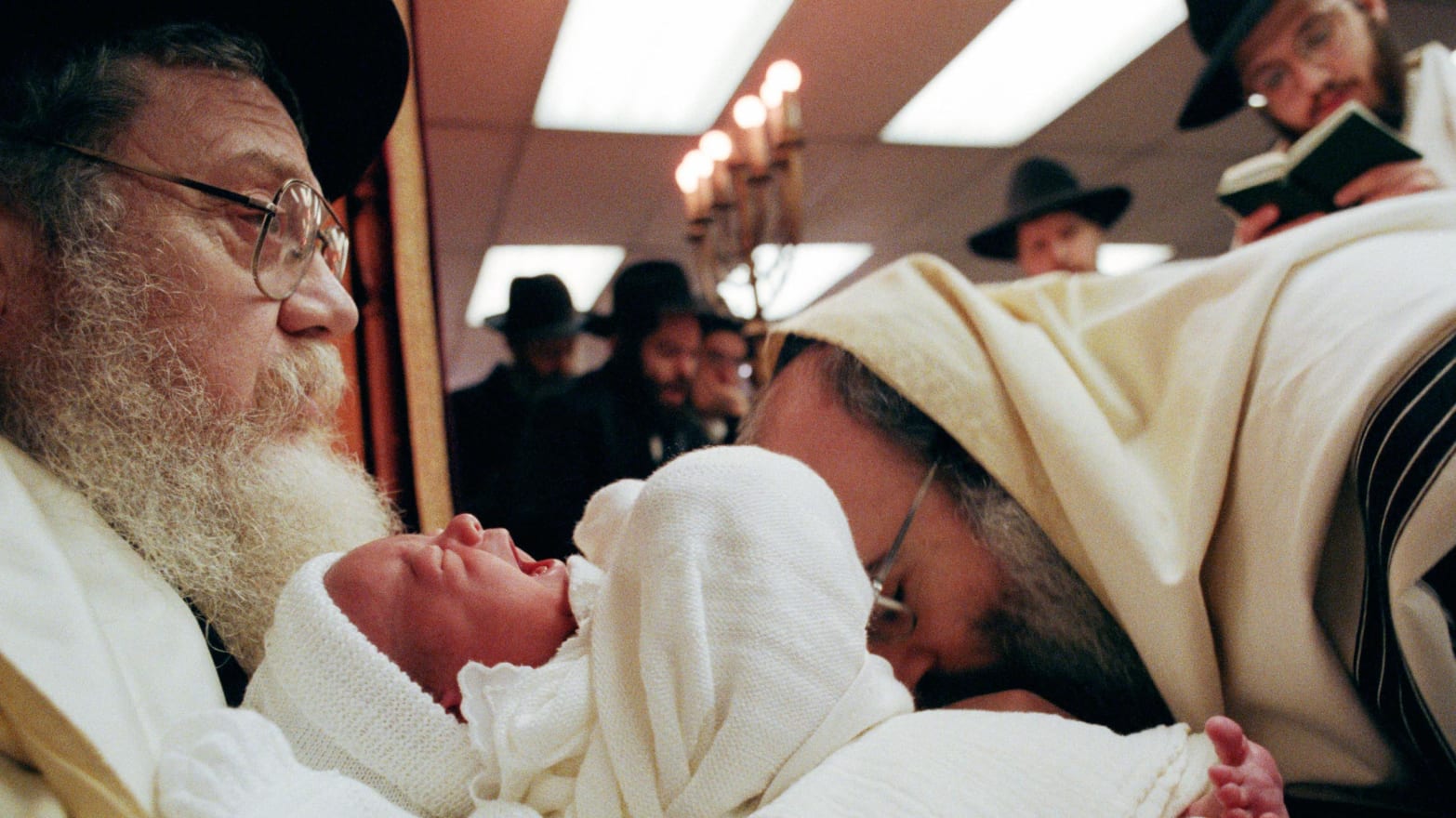 Paul circumcised Timothy (Ac 16:3), evidently not as a convert to Judaism, but to fulfill Torah as a good testimony to the Jews in his community, since Timothy would be a constant, faithful fellow worker with Paul throughout his ministry. (1Co 4:17)