In Himself Alone

audio

Until quite recently, I’ve held what many might consider to be an extreme view of Total Depravity; I believed everyone (including myself) will always make the most evil choice God allows them to make every time they make a choice, and that the only reason we do not act like Satan at every instant is the restraining grace of God. I can no longer hold this position, partly due to this verse: “But let every man prove his own work, and then shall he have rejoicing in himself alone, and not in another. For every man shall bear his own burden.” (Ga 6:4-5I am unable to make sense of this text, and many others like it, without abandoning my former position, so … I let it go, it’s history.

Evidently, there are degrees of real moral freedom within the boundaries of Total Depravity, such that we have some practical potential to do better or worse within these boundaries according to our own personal choices. Our depravity is evidently total in scope in the sense that all we do is tainted with sin (Is 64:6): we cannot ever do anything perfectly good (Ro 3:12), with 100% pure motives. (Pr 20:9)

However, while we may not be able to make any single choice with perfect motives, it is also evident we have some practical control of how far away we deviate from God’s perfect standard as we choose; we operate within some range of badness, and we can choose to be better or worse within this range. (2Ti 3:13) So, it appears that we are not totally depraved in degree, only in scope.

This is how we experience reality: we have moral freedom to make better or worse choices within some theoretical range of moral goodness, and this is also how God treats us (Mt 12:41); so, it makes sense that this is the reality, not just an illusion. Where these boundaries ultimately come from and how they appear within and impact each individual is mysterious, but a few things appear to be clear about it.

As a foundation, no human except Christ Jesus has ever been perfectly good at any moment (Mk 10:18); all the rest of us are rebels (Is 53:6), some more than others (Ge 13:13), but we’re all guilty (Ro 3:19), and God is perfectly just in punishing us in our rebellion. (Ps 145:17) We’re all sinners (1Jn 1:8) in need of a Savior to save us from this condition: we cannot save ourselves. (Ep 2:8-9)

That said, it is evidently also clear that we are not all equally bad; some of us make worse choices in our total depravity than others, and this difference is something we ourselves can and ought to control. God may even tend to reveal the gospel to those who are trying to make better choices within their unique range of moral ability (Ps 50:23), to those seeking eternal life. (Is 55:6-7)

This is not salvation by works; it is still God choosing to show mercy to the underserved (Ro 9:16), but it may also be God showing mercy to those who — though undeserving — are at least seeking mercy, trying their best (Ro 2:6-7), as bad as it is, within their own, unique degree of moral capability and freedom. (1Ti 1:13)

We perceive we are responsible to make the best choices we can, that it is up to each of us as individuals to do so, of our own free will, and that we don’t always want to make the most evil choice available to us, and that our actions are not all predetermined or compelled by any internal or external forces. Most importantly … we are commanded to live accordingly, and not assume we have no practical control or influence in determining our eternal destiny (Ps 50:23), but that we pursue God and His kingdom with all our might. (Lk 13:24)

If this is how we experience reality, and it is also how God describes reality, and it is also how He actually treats us, there’s sufficient reason to try to interpret all of scripture in accord with this perspective.

articles    blog

The Covenants of Promise

audio

In God’s dealings with the nation of Israel there are two covenants (binding agreements) in play: the first is a conditional covenant made with Israel at Mount Sinai (Ga 4:24); the agreement is that if Israel will obey God’s Law He will bless them, otherwise He will curse them. (De 11:26-28)

The second (or new) covenant is an unconditional covenant God will eventually make with Israel: He will put His Laws into their minds and write them in their hearts (He 8:10); He will be their God and accept them as His people, ensure they all know Him, and put away all of their sins. (11-12) He will give each of them a new nature which delights in His laws (Ro 7:22), redeeming and saving the entire nation. (Ro 11:26-27)

This first covenant with Israel is not a promise of salvation by works; it’s simply a promise given to Israel as a nation to bless them if they honor and follow God’s law to the best of their ability, evidently as a signal to the rest of us that there’s tremendous blessing in obeying God (Ps 1:2-3), and trouble if we don’t. (Ps 119:118) Israel has, of course, failed miserably to keep their end of the covenant and are being punished by God as a consequence.

The second covenant God will eventually make with Israel certainly is a promise of redemption and eternal salvation for Israel as a nation, but it’s incomplete and mysterious at present, how He will accomplish this and what it will look like.

In the interim, in between these two covenants, we’re left to work out an understanding of how we’re all to relate to God, for it’s through these two covenants God reveals His redemptive plan. (Ps 50:5) They hold within them the keys to having a relationship with God; in being estranged from them we have no hope, and are without God in the world. (Ep 2:11-12)

Yet these two covenants with Israel don’t comprise the whole picture: God makes a third covenant related to redemption, but this one is unique in that God makes it with Himself (Ga 3:20); this is a covenant between the Father and the Son (He 10:8-10): the Father gives the Son a group of people (the elect, or chosen) to redeem, and the Son redeems these people for the Father. (Jn 6:37) This covenant is flawlessly secure because both parties to the covenant are unfailingly perfect. (Ro 4:16) This divine agreement is actually the first covenant of the three, made in eternity past (Ep 1:4, 1Pe 1:19-20) and publicly formalized, revealed and confirmed in front of Abraham, well before Sinai. (Ga 3:17)

The eternal covenant between God the Father and God the Son is evidently related to the two covenants God makes with Israel in that God produces obedience to the Law in the hearts of His elect as required in the Sinai (first) covenant (De 5:29) by providing Himself as the new heart (Ez 36:26), the divine nature within the elect (Co 1:27) inclining us to obey (1Pe 1:2), as promised in the future New Covenant with Israel. (He 10:16-17) In this way, God unites us with Himself and His Law so we partake in both of these two covenants of promise He makes with Israel (1Ti 1:6), giving us hope of eternal life and fellowship in Him. (Ep 2:13-14)

articles      blog

As a Sparrow Alone

Terminal cancer is no joke. When we hear we have so little time left, what do we do? Re-calibrate? Re-orient? Get out our bucket list and try to live it up? It’s perfectly understandable, whatever we do when we face our fragile little selves for what we really are (Ga 6:3), feeling alone (Ps 102:7), afraid, uncertain. (He 10:31)

Truly, we’re all dying of a terminal condition: Life itself. But as long as death seems far away, not imminently close, we comfort ourselves however we can, asleep at the wheel.

Facing our mortality wakes us up, helping us realize what and who we are (Ja 4:14), what and who we have, or don’t have. (Ga 6:4-5) It’s clear we don’t take our stuff, our friends or family (1Co 6:29-31), or even our man-made religion (Mk 7:7); we leave it all behind. (1Ti 6:7) We will face God alone, and deal with Him one on one, for eternity. (Ro 14:11-12)

It isn’t so much a choice between Heaven and Hell, though that’s implied; it’s more about being a devoted lover of God, or His enemy: there’s no middle ground with Him. (Mt 12:33)

Think of it this way: no matter where we end up, it’s just going to be like each one of us as an individual is alone with God (2Co 5:8), as if no one else will be on our radar, distracting us from Him (Ps 27:4), part of our routine, conscious focus, except Him. (Ps 73:25)

What will that be like … if we love God? (1Co 8:3) or if we don’t? (16:22)

For sure, those in Heaven will be in community together, in a sense (He 12:22-23), as well as those in Hell, but as God unveils us into His immediate omnipresence (Jn 17:24), His infinitude will completely consume, occupy and overwhelm all our senses. (Re 20:11) From that moment on, out into eternity, we will see and experience God as All in All (1Co 15:58), drinking in the infinite majesty of Jehovah God. (Re 22:3-5)

If we love God, in that eternal moment, we’ll have all there is to have (Ro 8:17); and if we don’t love God, we’ll be forever face-to-face with the indignant fury of the Almighty (Re 6:16), Who repays all who hate Him to their face. (De 7:9-10)

We may think we don’t actually hate God, perhaps we’re just indifferent or lukewarm, but that’s all the same to Him; He might even detest indifference more intensely. (Re 3:15-16) God cannot be trifled with (Ga 6:7); He commands us to love Him with all our being; mind, heart, soul and strength. (Mk 12:30) Nothing less is acceptable.

False religion is how we deceive ourselves into thinking God will accept us on our merits, because we belong to a special club and follow certain rituals, and the more truth our religion contains the more deceptive it can be. (2Co 11:13-15) Any religion offering us hope by adhering to it is a counterfeit; religion can’t bring us to God. Shedding all formal religion, leaving only the divine relationship, may help us see whether we’re relying on emptiness here.

If we’re honest with ourselves (1Co 3:18), we can tell what and who we truly love. Is it truth? (2Th 2:10) Is it God? Above everything and everyone else? (Jn 12:25) Is this reflected in our lives, day to day? (Pr 20:11) Are we obeying Him the best we know how, submitting our entire lives to Him? (Jn 14:23)

There’s only one Way to God: the Person of Jesus Christ. (Jn 14:6) He is all we need, but to have Him we must give up everything else (Mt 13:44-46); He tolerates no rivals in our affections or loyalties. (Lk 14:26)

If me and Christ forever sounds like Heaven (Ps 84:4), we’re likely one of the chosen few to find the narrow gate and we’re well on our way (Mt 7:14); otherwise, we’re likely still on the broad road with the mass of Mankind, the walking dead (Ep 2:1), headed to eternal death and destruction. (Mt 7:13) Look for that tiny little gate, find it and strive to enter (Lk 13:24); it’s only One Person wide, and His name is Yeshua: Jesus.

articles    blog

Founded Upon a Rock

The ending of the Sermon on the Mount is majestic, imposing, ominously authoritative and frighteningly demanding. After laying out what looks like an impossible standard of conduct, Christ says all who don’t obey Him and do what He says will be eternally destroyed (Mt 7:26-27), including many who call Him Lord. (22) If the Gospel is simply a free gift of salvation to all who are willing to receive it, how do we square this up?

One way is to ignore the warning and hope for the best, that God’s love and grace will cover our sin and we’ll be fine in the end even if we don’t obey Him. This isn’t wisdom, to say the least; it’s building on the sand: equivalent to rejecting Christ Himself. (Jn 12:48) We can say we’re receiving Christ while we’re ignoring what He says, but it’s pointless doubletalk. (Ja 2:20) Christ is saying something exceedingly profound, and He means exactly what He says; we ignore Him at our eternal peril. (De 18:19)

Another way to deal with this is to claim we’re saved by obeying Christ, reject the idea of salvation is a free gift and try to earn it. Another dead end, hopeless approach. (Ga 3:10)

The correct way to resolve this must be that those who are justified freely by His grace also obey Him (1Pe 1:2), not to earn salvation but as a necessary consequence of believing in Christ. Though works aren’t the cause of salvation, they must be the evidence that salvation has taken place. In other words, faith alone is a myth (Ja 2:17); faith and works always go together, we can’t separate them.

This implies those who are saved cannot live in willful disobedience as a manner of life. If our lives don’t reflect faith in the Son of God, we shouldn’t deceive ourselves; we should seek God until we find Him, until He reveals Christ in us and begins to sanctify and transform us. (Ep 2:10)

It also implies that Christ is not demanding absolute, sinless perfection from the start of our spiritual journey; there’s a sanctification process where we grow in faith and love over time. (Php 1:9) While we’re growing, we find within the longing to be more holy and obedient (He 12:14); continuous, stubborn defiance does not characterize the child of God. (15)

If we’re justified in Christ, we’ll be able to see how Christ is working within us obedience to all of His words, ensuring our lives are bearing out the fruit He says will come. Where we aren’t obeying too well yet in a particular area, we ask Him to show us why and heal us so we become more like Him. (Ja 5:16)

This is how we dig deep, laying up for ourselves a good foundation against the time to come, and lay hold on eternal life (1Ti 6:18-20), grounding our eternal home in the Rock Himself: Christ Jesus.

articles    blog

Circumcision is Nothing

audio

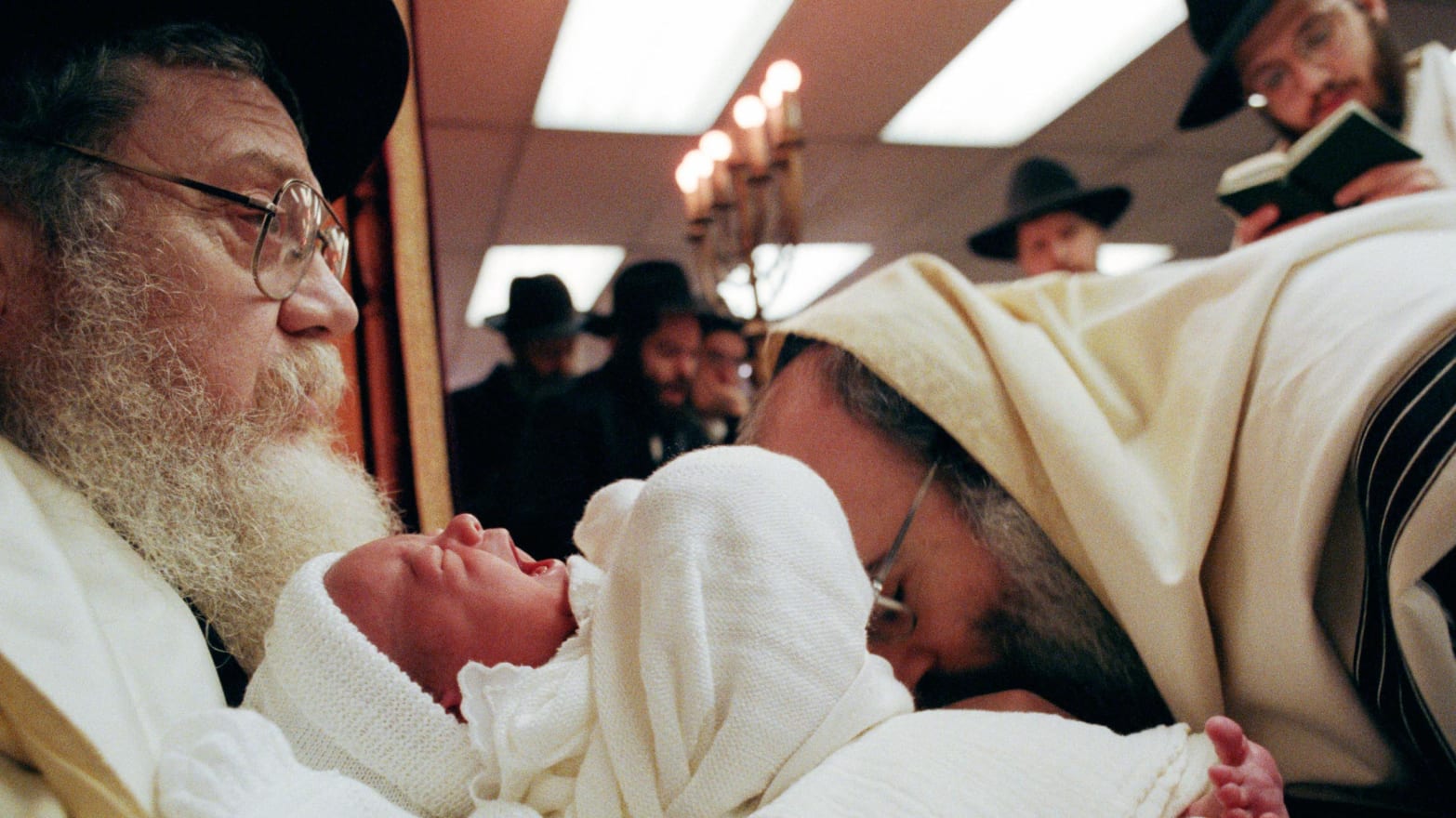
The Apostle Paul faced a severe dilemma in the early days of the Church; circumcision, commanded by God (Ge 17:10) as an expression of saving faith (Ro 4:11), and obediently observed by Abraham and the patriarchs, had also come to represent ritual conversion to Judaism (Ac 15:1), a religion teaching legalism: salvation by works (Ga 5:4), entirely contrary to justification by faith. (2-3)

Should Paul discourage obedience to one of God’s core commands (Mt 5:19) now that it’s been twisted into the foremost expression of rejecting God’s salvation? symbolic of earning salvation by works? (Ro 10:3) How could he neglect a plain command of God in good conscience, knowing saving faith establishes the law? (Ro 3:31) Yet how could he encourage obedience here without compromising the gospel? (1Co 9:22-23)

Paul circumcised Timothy (Ac 16:3), evidently not as a convert to Judaism, but to fulfill Torah as a good testimony to the Jews in his community, since Timothy would be a constant, faithful fellow worker with Paul throughout his ministry. (1Co 4:17)

However, when Titus was being pressured into ritual conversion to Judaism Paul objected fiercely, understanding this as a direct denial and corruption of the gospel. (Ga 2:3-5) Making a severe and costly break with the legalistic traditions of his people (5:11), Paul concluded those pushing Judaism on the Gentile saints as a condition of salvation were unsaved and cursed (1:10); he even wanted God to kill them. (5:12)

Paul clearly taught that those who converted to and depended on Judaism for salvation were not trusting Christ and were unsaved. (Ga 5:2-3) However, though he was accused of teaching the Jews to forsake circumcision (Ac 21:21), both by his public example (24) and testimony (25:8) it is clear Paul never did teach it was appropriate to neglect physical circumcision as an act of obedience to God.

If Paul didn’t discourage Jewish believers from circumcising their children, he wouldn’t have discouraged Gentiles from doing so either; circumcision was not a particularly Jewish thing (Jn 7:22); it existed in Abraham, the father of us all (Ro 4:16), long before the Jewish people.

So, Paul encourages circumcision in the context of obedience to God’s Law and forbids it when it is embedded in the larger context of ritual conversion to Judaism. Further, Paul teaches it is unnecessary for Jews to renounce their Jewishness by undergoing a formal act of becoming uncircumcised (1Co 8:18a), and encourages Gentiles to retain their ethnic and national identity rather than becoming Jewish. (18b) Effectively, he sees national identity as irrelevant in the context of defining a right relationship with God (19a); what’s important is staying true to the gospel while faithfully keeping God’s commands. (19b)

articles  ♦  blog

If We Sin Willfully

God warns the saints to not sin willfully: He threatens severe chastening if we do. (He 10:26-27) What types of sins does this include? How do we avoid committing them?

The Greek is Ἑκουσίως (Hekousiōs), appearing only here and (1 Peter 5:2); it means deliberately, willingly, as opposed to thoughtlessly, instinctively, or from ignorance, weakness or under duress. It modifies the Greek ἁμαρτανόντων (hamartanontōn), to go on sinning. The thought is that the sinful action is habitual, premeditated, intentional, brazen, defiant … knowing the law of God and despising it. (Ro 1:32)

Biblical examples would include the sanctimonious lying of Ananias and Saphira, claiming to donate all the proceeds from the sale of their land while they were keeping back some for themselves (Ac 5:1-2), who were immediately and supernaturally slain. (Ac 5:5,10) The Corinthian who took his father’s wife (1Co 5:1) was delivered over to Satan by the church for the destruction of his earthly body so his spirit would be saved (1Co 5:5), and a man gathering sticks on sabbath (Nu 15:32) was promptly stoned to death. (Nu 15:35-36)

The context of God’s warning refers back to the precedent He sets in Torah: anyone in Israel caught despising Torah would be executed without mercy. (He 10:28) Mercy was available for those who sinned ignorantly (Nu 15:27-29), but there was no pity for those despised Torah and sinned presumptuously. (30-31)

If we find this harsh, inconsistent with the New Testament god of love and mercy, we’re trusting in another Jesus, one not found in scripture: the punishment for believers who sin willfully is not less severe but more. (He 10:29) Torah’s punishment was carried out by civil authority, but the punishment of believers is designed and carried out by God Himself and may very well be much worse than death. (30) Don’t go there; it won’t be worth it, not even close. (31)

David’s adultery with Bathsheba would certainly also fall into this willful category (2Sa 12:9); he didn’t die for it, but he may often have wished he had, for all the suffering and tragedy which followed because of it. (10-12)

It isn’t cruelty that drives God’s severity; God is good; there’s no malice in Him. God’s love moves Him to severity as appropriate. (Ro 11:22) The consequences of sin are simply too devastating to be left unchecked (Mt 5:29-30); God loves the saints way too much to let us go off and destroy ourselves and others. He will do whatever is needful to bring us back and keep us close because He loves us. (He 12:5-6)

When we’re tempted to sin presumptuously, we can ask God to keep us back from it and restrain us. (Ps 19:13) We can also assure ourselves that whatever it is that’s telling us it’s a good idea to sin willfully is lying; we can ask God to give us repentance to acknowledge the truth (2Ti 2:25-26), choose the fear of God and depart from evil. (Pr 3:7)

articles  ♦  blog

The Everlasting Gospel

Clearly and accurately identifying Christ, the Holy Spirit and His eternal Gospel (Re 14:6-7) is central to the Christian faith, yet given the many attractive counterfeits (2Co 11:4), it’s evidently no easy task.

Consider the claim that repentance, turning from our sin, is optional, that one may receive the gift of free grace in Christ with no strings attached. The claim is that God offers forgiveness to those who remain hardened against Himself, who intend to continue in rebellion against Him, who will not submit to Him as Lord. It’s claiming we can receive the gifts of Christ without receiving Christ Himself (Jn 1:12), that we may have eternal life without giving up our own life (Jn 12:25), without offering up ourselves to the Son in Whom this eternal life resides. (1Jn 5:11-12) Is this a false gospel, or the true?

It’s true we’re not saved by our works; there’s nothing we can do to earn salvation, or to add to what Christ has done to save us: justification has nothing to do with our obedience to God. But it’s also true that all who don’t love Jesus Christ will be cursed at His coming. (1Co 16:22) Those who pursue sin as a manner of life don’t yet know God (1Jn 2:4) and are heading for eternal damnation. (Ro 2:8-9)

So, offering unrepentant sinners a get-out-of-jail-free card may seem like free grace, but it’s a misunderstanding and misapplication of the Gospel: that would give us a license to sin and make Christ a minister / enabler of sin, and this isn’t Love. (Ga 2:17) Yet we don’t need to clean up our act before we come to Christ either: Christ didn’t come to call the righteous, but sinners to repentance. (Lk 5:31-32)

The biblical Gospel isn’t merely an offer of forgiveness, it’s an offer of holiness, without which we’ll never see God. (He 12:14) God’s inviting us not only to justification, but also to sanctification: He’s offering to transform us from rebels into saints. (Ro 8:29-30) The redeemed are elect unto obedience (1Pe 1:2), predestined to good works. (Ep 2:10)

The New Covenant in Christ writes God’s Law into the very fabric of our minds and hearts (He 8:10), equipping us to obey and honor Him: receiving Christ involves pursing this transformational relationship, in which He starts cleaning us up and making us more like Himself. (Ti 2:11-14) He enables us to start submitting to and obeying God from the heart so we can walk in fellowship with Him, in more and more alignment with Him. (He 12:28) If we aren’t interested in that good news, we aren’t interested in the Gospel at all. (Ps 119:155)

If we have faith to believe God is Who He says He is, and that He rewards those who diligently seek Him by enabling us to find Him, then the Gospel invites us to come (Re 22:17); it’s the only way we can come to God. (He 11:6) Saving faith works in us not only to rest in God (He 4:10-11) but also to pursue God. (Php 2:12-13)

We’re to seek first God’s kingdom and righteousness (Mt 6:33), believing Christ is both our righteousness and our sanctification (1Co 1:30), obeying Him with what strength He’s already giving us as we rest in Him, trusting He will deliver us yet more and more from our sin (Ga 1:4), confident in His promise to ultimately present us faultless before Himself with exceeding joy. (Ju 24)

This is the Good News, the everlasting Gospel; it has never changed, and it never will.

articles  ♦  blog

Lord, Remember Me

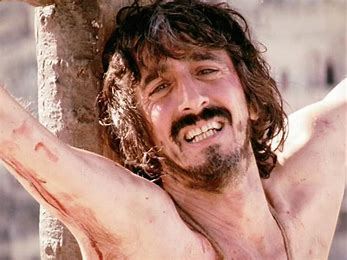
The story of the thief on the cross is absolutely fascinating! It evidently distills the meaning and purpose of life down into a single, miraculous event: a dying criminal, with little time left to change course, sadistic and malicious even in his final hours, does an amazing about-face, and is welcomed by Christ Himself into Paradise! (Lk 23:43) He’s become a mystery and a marvel to countless scholars and theologians over the centuries.

We begin by noting that this man, as he is being crucified along with Christ, appears at first to be merciless, cruel and selfish; he sees another poor soul dying next to himself, beaten and scourged beyond reason, throbbing and writhing in agony, and chooses to mock Him, joining in with the jeers and taunts of those who have condemned Him to death. (Mt 27:39-44) The suffering of a fellow human becomes another fiendish distraction from his own pain, misery and hopelessness.

The Passion of the Christ

Then, inexplicably, he does an absolute U-turn; as his fellow criminal angrily demands that Christ deliver them all (Lk 23:39), this thief chooses integrity and honesty; he decides to stop resisting his fate, to accept his punishment as justly deserved and publicly rebukes his comrade in evil. (40) He evidently chooses to live his remaining hours, as painful as they will be, in the fear of God; he confesses to his crimes before all, that both he and his fellow are guilty and justly condemned, fully accepting both his own personal guilt and also his horrible suffering. (41a)

He then claims that Christ, “has done nothing amiss.” (41b) He is publicly acknowledging the fact (how he comes upon this awareness is a mystery for the ages) that Christ is suffering unjustly, and he does so in the presence of the top religious and military leaders of his day, those who have openly and fiercely condemned Christ and imposed His suffering. This is actually a confession that Jesus Christ is Who He claimed to be: the Son of God (otherwise Christ is a wicked blasphemer and suffering appropriately).

As he chooses Christ, siding with Him against the world, he is effectively turning from all of the false religion, likely pushed upon him his entire life, and doing so without apology or shame. Apart from Pilate (Jn 18:38), this thief may have been the only living soul who publicly defends Christ in the course of His mock trial, sentencing and death; we know of no other who proclaims His innocence and purity from a place of weakness, willing to suffer for it in this darkest hour.

He is also, consequently, bravely accusing Rome itself of profound injustice, attacking its foundation and honor. This is no small thing, since he does so from a position of extreme vulnerability, knowing any of these religious leaders or soldiers standing about below him with little else to do, are capable of making his own suffering much more unbearable if they so desire. He is choosing, in his final moments, to suffer with and for Jesus Christ.

Then this dying thief asks a dying Man, with only a few more moments to live, for an undeserved and unusual favor: to remember himself in His coming kingdom. (43) In this request he confesses publicly, against all physical evidence before him, that this dying messiah yet has a future, eternal kingdom, and that He will reign eternally victorious within it.

He sees somehow that Christ hasn’t come to overthrow Rome, as even His closest followers still seem to believe, and acts as if he trusts that Christ Himself knows what He is doing, what He is about, and what He is up to. He treats Christ, even as He is dying a cruel and unjust death, as though He is utterly sovereign, in complete and absolute control of all things, that He is dying for a divine purpose. We don’t say these kinds of things in this way, especially to the dying, apart from a clear vision of the eternal kingdom of God and how it operates.

This thief is effectively confessing Christ to be Lord of all, King of Heaven and Earth; it amounts to treason against Rome and blasphemy in the religion of his people, crimes for which he very likely knows the gruesome penalty, yet he does this anyway, seemingly without hesitation.

In the process, this thief also addresses Christ as His personal Lord; he willingly subjects himself to Christ, the King in this coming, eternal, spiritual kingdom, effectively agreeing to obey, submit to and follow Jesus Christ as well as he can in his remaining time on Earth, and then out into eternity. To the soldiers milling around below him, this is, again, the ultimate act of treason.

Not only does He confess Christ as eternal King, he also claims that he himself will be present in this future kingdom, and requests to be uniquely acknowledged by Christ in this eternal state. Among with the millions who will be present for eternity, he wants to be known for something, remembered, valued — and feels the liberty to ask Christ for this personal gesture. It suggests the thief has a sense of the generosity and love of Christ, of His grace, mercy and kindness towards himself personally; he finds Christ approachable, reasonable, true and faithful. It is a precious insight into the divine character which many of us are still missing.

This amazing about-face may well have been informed and supported by stories this thief has heard about Christ before his capture and arrest, which the Spirit brings to mind as he hangs beside the Savior, as well as by his personal observations of Christ on the cross, yet the availability of the raw data itself doesn’t account for the breathless transformation: no one else at this scene, not even the apostles themselves, appear to have yet comprehended what this dear man does.

Finally, we must observe that this thief is not running from Christ, but to Him, wanting to be with Him in eternity. Evildoers don’t do this (Jn 3:20), only the justified and transformed can do this. (21) This thief is showing us all He has no fear of Hell, or of being discovered and exposed in death; he evidently believes he has been forgiven of his life of crime, of his own selfishness and cruelty, even of that malicious jeering he’d been hurling at Christ only moments before, and that he is now completely justified before God.

There is only one way to arrive where this thief does: we must see the living Christ as our own personal propitiation before God; we must see Christ become our sin (2Co 5:21) and reconcile us to God and Himself, imputing perfect righteousness to us. (Ro 4:23-25) It must be that this thief is watching his own personal justification happening right before his very eyes, as Christ Himself suffers for his own sin (1Pe 3:18), bearing his own sins in His own body as He hangs right beside him on the tree (1Pe 2:24) … he believes on Christ and is instantly and eternally healed, and he knows it.

Given his starting condition and the events shortly following, it seems stunningly miraculous for this thief to have made such profound statements and confessions; it is evidence of a deep, supernatural work of grace, repentance and faith within him, as he is born again by the Spirit of God. It is a true deathbed conversion; in his last hours he emerges triumphant, demonstrating to all through the ages what believing in Christ looks like, how receiving Him transforms the soul. (Jn 1:12-13)

articles  ♦  blog

Freely by His Grace

Salvation is a free gift: we may be justified freely, forgiven of all our sin, by God’s grace through the redemptive work of Christ (Ro 3:24). Christ becomes our propitiation (that which reconciles us to God) through faith in Christ’s blood. (25) There are no strings attached; we don’t have to earn salvation; it’s a totally free gift, and it must be free: we could never earn it.

However, this gift of eternal life doesn’t stand all by itself, all on its own: the gift is part of, or comes along with, a divine Person: Jesus Christ. We receive the gift of salvation, of eternal life, by receiving Christ (Jn 1:12), by believing on Him. (Jn 3:36) We cannot take the gift of salvation without also taking Christ, and vice versa — they go together. (1Jn 5:11-12)

Now, this believing in or on Christ isn’t simply believing He existed, or that He is alive even now; we can believe someone exists without believing in them. It isn’t even about whether we like them or are friends with them. We believe in someone when we find them trustworthy, dependable, faithful, capable, reliable; we take them at their word and act on what they say without question, as if it’s absolutely true. (Jn 3:32-33)

We also treat them consistently with who they claim to be, giving them the respect and honor they deserve. (Jn 5:23) We can’t rightly say we believe in someone, or that we receive them, unless we’re treating them this way; both taking them at their word, acting on it as true, trusting confidently in them, and respecting and honoring them as we should.

So, believing on Christ is no ordinary thing, no natural thing (Mt 19:25-26), and this is rooted in Who Christ Himself claims to be: Christ claims to be Lord of all, to have the right to inspect and order all our actions, even our inmost thoughts and affections; He is to be obeyed on every level, all the time. (Lk 6:46) A person who isn’t willing to submit to Christ as Lord in this way doesn’t believe in Him or receive Him (Jn 14:23-24); rather, they are rebelling against Him, at enmity with Him. (1Jn 2:3-5) All of us who belong to Him, who are justified by Him, do submit to Him in this way. (Ep 5:24) It doesn’t mean we’re perfect yet, but we want to be and are doing our best to obey Him. (1Jn 3:3)

And believing in Christ, receiving Him, is also more than obeying Him, more than following Him; it includes relying on Him, trusting Him in what He said He came to do: to seek and to save that which was lost. (Lk 19:10) This involves understanding what Christ has done to save us by dying for our sins (1Pe 2:24), confidently trusting He has taken care of our sin debt, knowing God Himself is satisfied with what Christ has done for us. (Is 53:11)

Both of these aspects of believing on Christ require a supernatural work of grace in our hearts, which is also a free gift (Ep 2:8), where God quickens us, delivers us from the power and dominion of sin (Mt 1:21), begins transforming our nature from one of disbelief, resentment and rebellion into one of submission, trust and love. (Tit 2:14)

And when God does this work in our hearts and we believe on Christ in this way, righteousness is imputed to us as a free gift (Ro 4:23-24), an eternal gift rooted and grounded in a new, supernatural, believing nature within us (2Co 5:17), which is itself the work of God. (Jn 6:29)

articles  ♦  blog

O Wretched Man!

How do we respond to those struggling with immoral attractions and desires? Or who believe deep down they’re in the wrong body? Or who fantasize about unspeakable wickedness?

It does seem as if we’re not all deliberately choosing the feelings and tendencies with which we struggle; they’re evidently inherent in our nature, as if we’re born with them: and Christians are not immune from the fight. (Ro 7:7-8) How then can we condemn such behavior? Why resist it at all? (1Pe 5:9)

God gives us over to a reprobate mind, to harm ourselves and others, when we don’t keep Him central in our world view. (Ro 1:28) Yet many struggle with evil within while pursuing God (Ro 7:18-19); we may indeed be resisting quietly, doing our best to walk uprightly in spite of how wretched we feel, unable to figure out how we got here. (Ro 7:24) What hope do we have in such a struggle?

Perhaps our instincts, apart from our conscious will, spring from our sub-conscious, from beliefs and thinking patterns programmed into us from infancy through a variety of traumatic, social and cultural factors. How have these millions of signals, most of which we didn’t choose, impacted us?

It may also be that we inherit moral tendencies through ancestry (De 23:2), from our culture (3-4), and even from mankind in general (Ro 5:19), infected just being part of the vast, living human organism. (Ep 4:25)

We may not fully understand how we’re influenced by our own thoughts and actions, or those of others, either in the present or in the past, but one thing is clear: as we succumb to these immoral desires and begin to practice them they become much stronger, creating a bondage that deepens and strengthens over time. The more we engage and pursue them the more firmly their stranglehold on our hearts and minds becomes.

We also know that pursuing these immoral tendencies doesn’t tend to satisfy us, to enable us to live balanced, healthy, resilient, joyful, peaceful lives. Giving in to them makes us prisoners of war (2Ti 2:25-26), and most of us aren’t even aware we’re in a battle.

The only other obvious option is to continually resist these impulses, to struggle against them and deny ourselves the pleasures they promise. (Ep 4:22) While this is clearly better than giving ourselves over, the “Just say no” strategy tends to fail over time. Is there a better way?

God tells us knowing the truth makes us free (Jn 8:31-32), that acknowledging the truth delivers us from spiritual slavery and bondage. (1Ti 2:25-26) Truth is the weapon of our warfare here (2Co 10:4); there’s no bondage or instinct too strong for God to heal (Ep 3:20), if we’re willing to pursue and receive the truth. (1Pe 1:4)

Everyone experiences sinful tendencies and attractions which seem beyond our control; we can deny and resist them, but we can’t simply turn them off altogether and choose to feel differently. Rather than presuming “God made me this way” whenever we have an instinctive reaction that’s contrary to moral law, perhaps we should offer up these instincts to God and ask Him to help us re-program both our conscious and sub-conscious minds.

Consistently and prayerfully exposing our minds and hearts to truth, asking God to work it down into the deepest recesses of our being, this is the way to cleansing and freedom. (Ps 119:9) It may not be the quick fix, any more than our initial programming happened overnight; the web of lies may be extremely deep and complex. Our hope is that God knows us better than we know ourselves (Ps 139:1-4), and has given His very best to set us free. (Tit 2:14)

We may not understand exactly how we fell into bondage, but we can still be set free: ask and seek. (Mt 7:7-8) If we want to be healed and pursue God for it, He’s on our side and will be with us every step of the way. (He 13:5-6)

articles  ♦  blog